
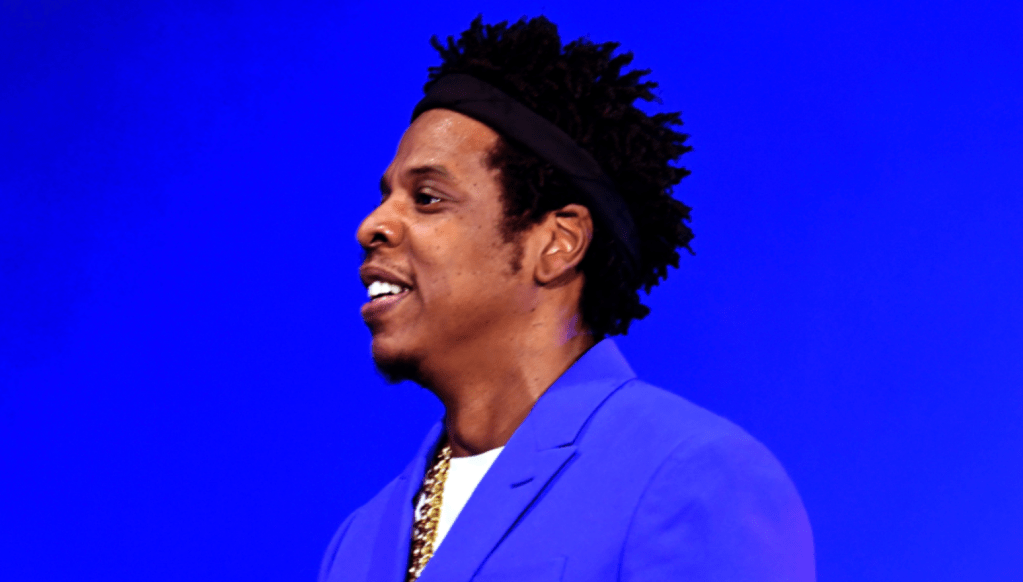
In the evolution of hip-hop, few artists have had as profound an impact as Jay-Z and Lil Wayne. Their influence on the genre is undeniable, not just in terms of style and swagger, but also in their approach to writing—or not writing—their rhymes. Both artists famously abandoned the traditional pen-and-paper method in favor of crafting verses in their heads, a skill that has been both celebrated and imitated by many in the industry. But has this shift led to a decline in the quality of rap music overall? Let’s delve into the nuances of this debate and explore why mastering this method is more challenging than it appears.
The Evolution of Lyricism in Rap
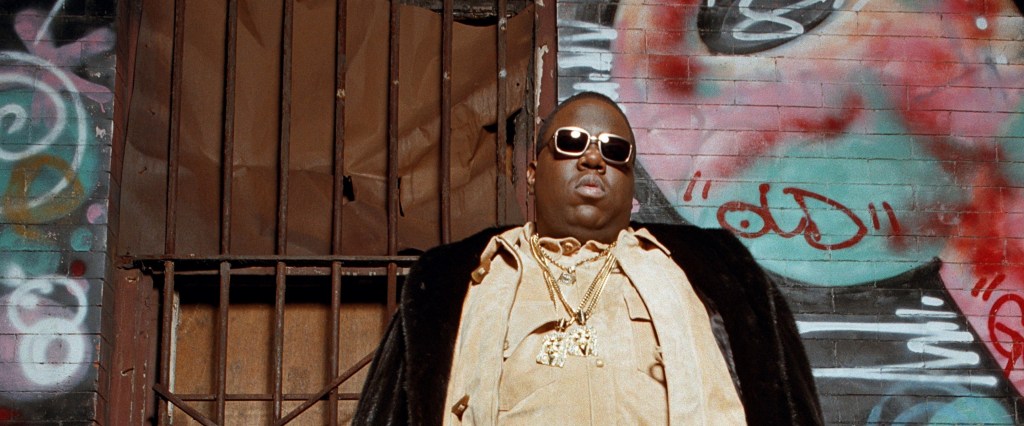
Before the likes of Jay-Z and Lil Wayne popularized the practice of “off-the-top” rapping, most MCs painstakingly wrote down their lyrics, refining their verses through drafts and revisions. This meticulous approach allowed artists to play with complex metaphors, intricate wordplay, and storytelling techniques that could rival those found in literature. Classic albums from artists like Nas, Tupac, and The Notorious B.I.G. exemplify this golden era of lyricism, where the pen was mightier than the mic.
Jay-Z, however, broke this mold. His decision to stop writing his rhymes began with his 1996 debut album Reasonable Doubt. The story goes that Jay-Z was inspired by The Notorious B.I.G., who reportedly composed lyrics in his head, to challenge himself to do the same. This technique requires not only an exceptional memory but also the ability to think quickly and cohesively—skills that Jay-Z possesses in abundance.
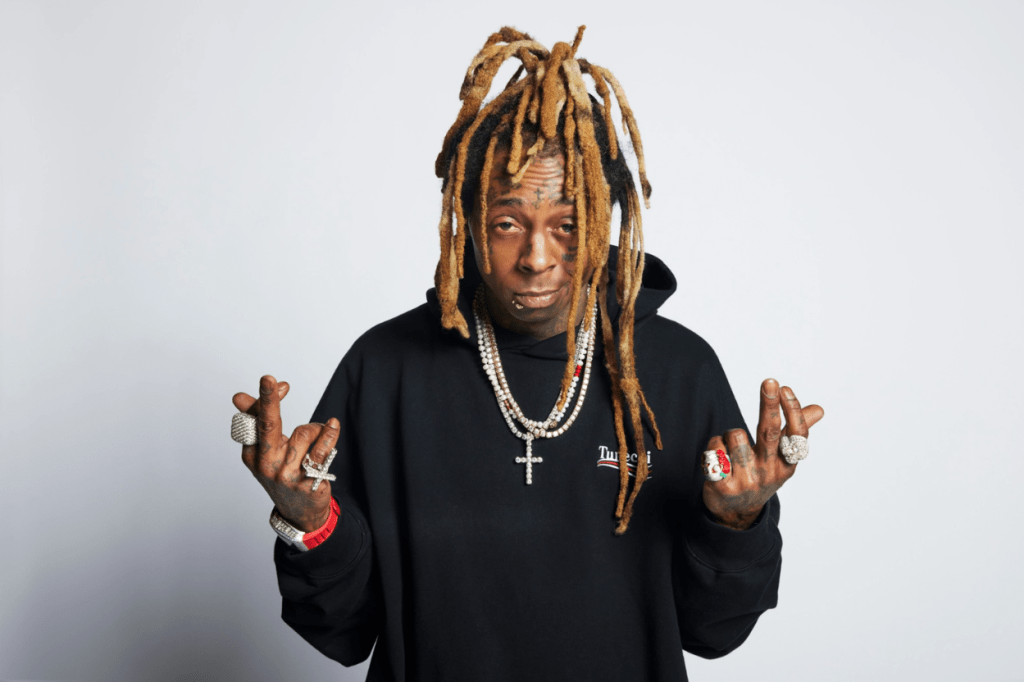
Lil Wayne later adopted a similar approach, and his prolific output in the late 2000s demonstrated his remarkable ability to deliver clever, punchy bars without a written script. Wayne’s style often blends humor, braggadocio, and cultural references, creating verses that are both accessible and deeply layered.
The Allure of Going Penless
The allure of crafting rhymes without writing them down is understandable. It suggests a level of genius, an almost superhuman ability to weave together words and ideas spontaneously. This method can lead to more organic and dynamic performances, as the artist isn’t tied to pre-written lyrics and can adapt to the beat and the vibe of the moment.

For artists like Jay-Z and Lil Wayne, this approach has become a part of their mystique, enhancing their status as lyrical titans. Their success without the crutch of written lyrics has inspired a new generation of rappers to attempt the same, hoping to replicate their idols’ success.
The Challenges of “Off-the-Top” Lyricism
Despite its perceived ease, going penless is far more challenging than it seems. Here are a few reasons why:
- Cognitive Load: Composing lyrics mentally requires the artist to juggle multiple cognitive tasks simultaneously—recalling rhymes, maintaining rhythm, crafting punchlines, and ensuring thematic coherence. This is an extraordinary mental feat that only a few can master.
- Risk of Simplicity: Without the opportunity to refine and revise, there’s a risk that lyrics may lack depth and complexity. This can lead to repetitive themes, clichés, and less innovative wordplay.
- Pressure to Perform: The pressure to deliver flawless verses in a single take can be immense. While it can lead to inspired performances, it can also result in rushed, unpolished lines if the artist isn’t fully prepared.
- Experience Matters: Artists like Jay-Z and Lil Wayne have years of experience honing their skills. They can rely on a vast mental library of rhymes and techniques developed over time. Newer artists attempting this method without the same foundation may struggle to achieve the same level of quality.
The Impact on the Genre
The influence of Jay-Z and Lil Wayne’s methods has certainly shaped the current landscape of hip-hop. Some critics argue that the focus on spontaneity over craftsmanship has led to a decline in lyrical quality across the board. The genre has seen a rise in simplistic, repetitive tracks that prioritize catchy hooks and production over lyrical depth.
However, this isn’t to say that all contemporary rap lacks substance. Many modern artists still prioritize lyricism and storytelling, using the pen to craft intricate narratives and thought-provoking verses. Artists like Kendrick Lamar, J. Cole, and Joey Bada$$ continue to uphold the tradition of thoughtful lyricism, proving that the art of writing is far from dead.
Conclusion: The Balance Between Innovation and Tradition
The question of whether rap’s quality has diminished due to the penless trend doesn’t have a straightforward answer. While it’s true that some artists have sacrificed depth for the allure of spontaneity, others have found ways to blend the best of both worlds. The challenge for any artist is to balance innovation with tradition, finding their unique voice while respecting the craft’s roots.
Ultimately, whether an artist writes their rhymes or not, what matters most is the impact of their words. Jay-Z and Lil Wayne have proven that great art can come from unexpected methods, but their success is a testament to their individual genius rather than the method itself. Aspiring rappers should recognize the difficulty of their achievements and strive to push the boundaries of the genre, whether with pen in hand or not.

 G.O.A.T. VERSES
Leave a comment