
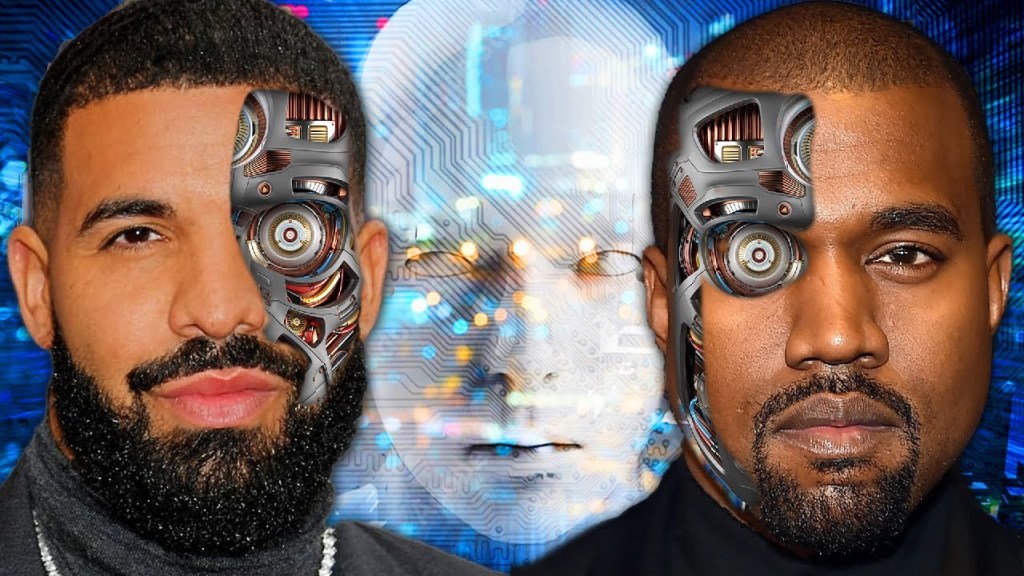
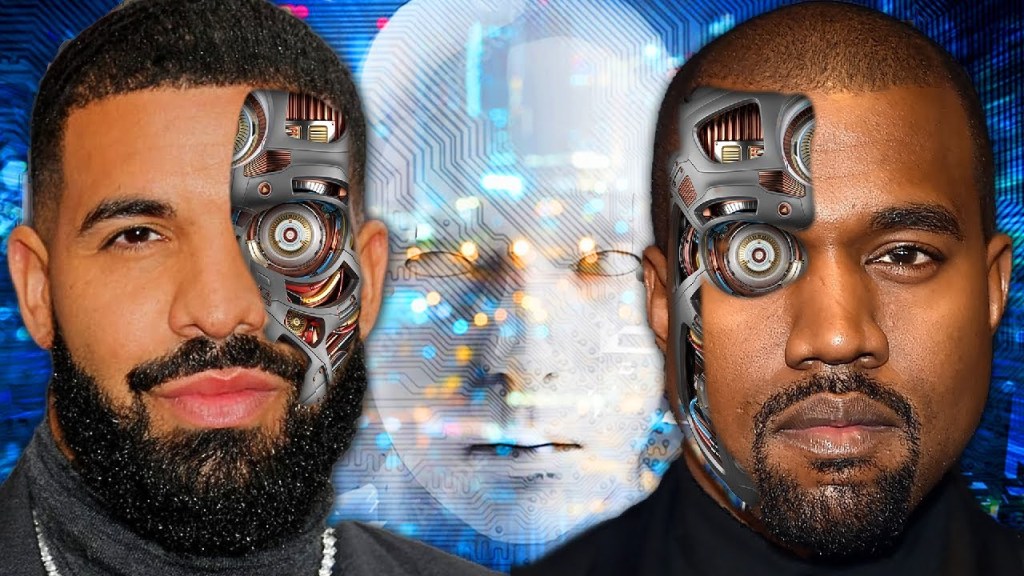
Artificial Intelligence (AI) is revolutionizing various industries, and the music industry is no exception. In the realm of rap music, AI is poised to have profound effects on how future songs are created, produced, and even performed. While AI offers exciting possibilities for creativity and innovation, it also brings significant challenges and concerns, especially regarding legal and ethical issues.
AI’s Role in Music Creation
AI technology has advanced to the point where it can generate music, lyrics, and even replicate human voices. For rap music, this means that AI can assist in the following ways:
- Lyric Generation: AI algorithms can analyze vast amounts of lyrical content and produce new verses that mimic the style of famous rappers. This can help artists overcome writer’s block and inspire new creative directions.
- Beat Production: AI-driven software can create beats that match specific styles or moods, allowing producers to experiment with new sounds and rhythms more efficiently. This democratizes music production, enabling aspiring artists to produce high-quality tracks without needing extensive technical knowledge.
- Voice Cloning: One of the most controversial aspects of AI in rap is voice cloning. AI can create realistic replicas of a rapper’s voice, enabling the production of new tracks that sound as if they were performed by the original artist. This technology has already been used to create posthumous songs for late artists.
The Benefits of AI in Rap Music
AI brings several benefits to the rap music industry:
- Enhanced Creativity: AI can serve as a powerful tool for artists, providing new ways to experiment with sounds and lyrics. It can generate endless variations of beats and rhymes, pushing the boundaries of creativity.
- Efficiency and Productivity: AI can streamline the production process, reducing the time and effort required to create music. This allows artists to focus more on their artistic vision rather than technical details.
- Accessibility: AI-powered tools lower the barriers to entry for new artists. With access to sophisticated music production software, more individuals can create professional-sounding music, leading to a more diverse and vibrant music scene.
The Downsides and Challenges
Despite its advantages, the integration of AI into rap music also presents significant drawbacks and challenges:
- Legal and Ethical Issues: The use of AI to clone voices raises serious legal and ethical questions. Without clear regulations, there is potential for misuse, such as creating unauthorized tracks that could damage an artist’s reputation or infringe on their rights.
- Authenticity Concerns: Rap music is deeply rooted in personal expression and authenticity. AI-generated lyrics and beats may lack the genuine emotion and cultural context that human artists bring, potentially leading to a loss of authenticity in the genre.
- Job Displacement: As AI becomes more capable of producing music, there is a risk that human producers and songwriters may find their roles diminished. This could lead to job displacement and a devaluation of human talent in the music industry.
- Data Privacy: The technology behind voice cloning relies on extensive datasets of vocal recordings. Ensuring the privacy and consent of individuals whose voices are used in these datasets is a significant concern that needs to be addressed.
The Need for Legal and Regulatory Frameworks
The rapid advancement of AI in music production has outpaced the development of laws and regulations to govern its use. It is crucial for policymakers to establish clear guidelines to protect the rights of artists and creators. This includes:
- Intellectual Property Rights: Defining and enforcing intellectual property rights for AI-generated content to ensure that original artists are fairly compensated.
- Consent and Privacy: Implementing regulations that require explicit consent from individuals before their voices can be cloned or used by AI.
- Ethical Standards: Establishing ethical standards for the use of AI in music to prevent misuse and ensure that AI-generated content maintains artistic integrity.
AI’s impact on the future of rap music is a double-edged sword. While it offers exciting possibilities for innovation and creativity, it also presents significant challenges that must be addressed. By developing robust legal frameworks and ethical guidelines, the music industry can harness the potential of AI while protecting the rights and integrity of artists. As AI continues to evolve, it will be essential to strike a balance that fosters creativity and innovation without compromising the authenticity and human touch that define rap music.

 G.O.A.T. VERSES
Leave a comment