
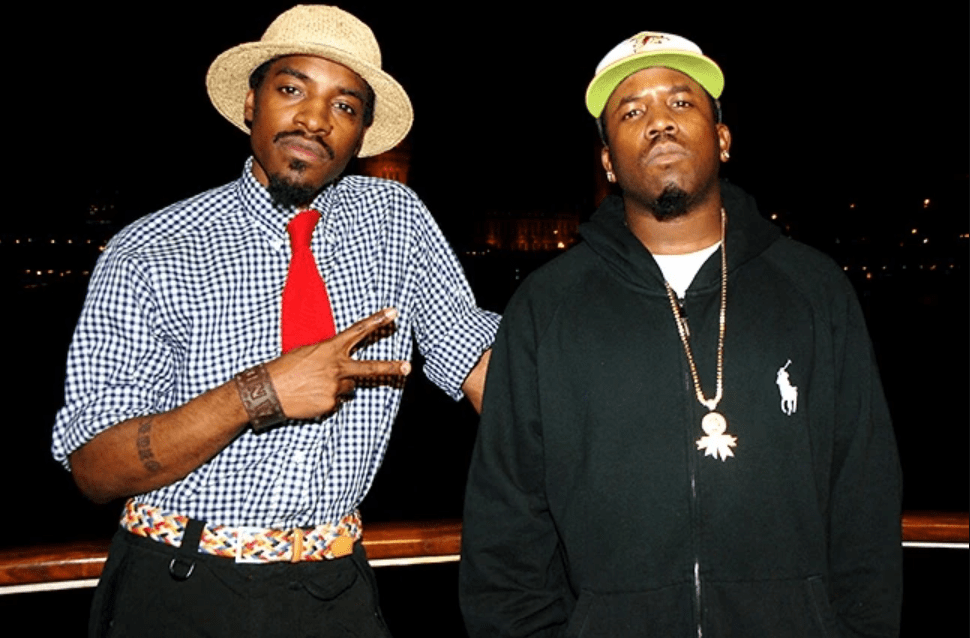
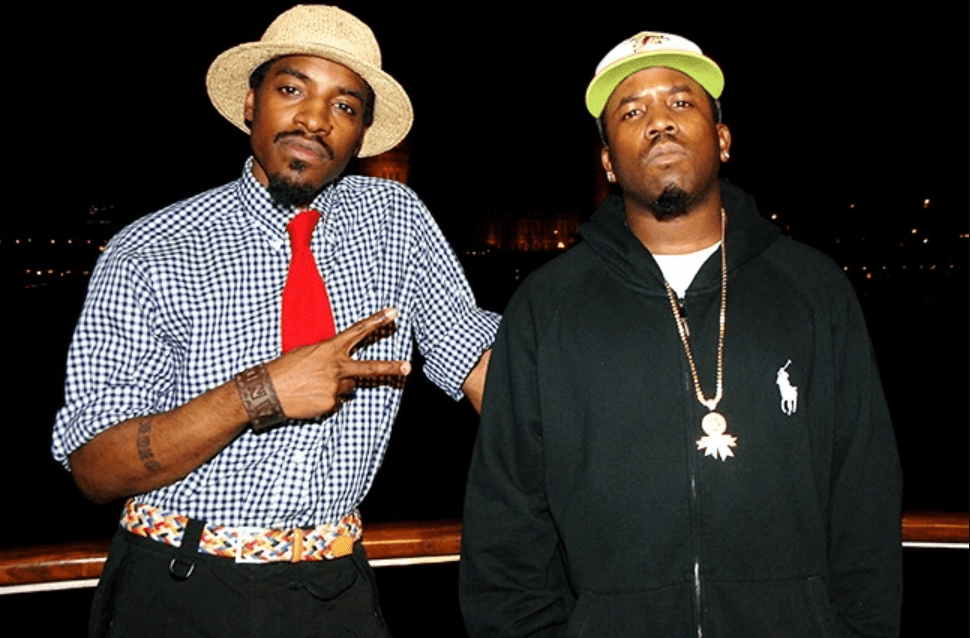
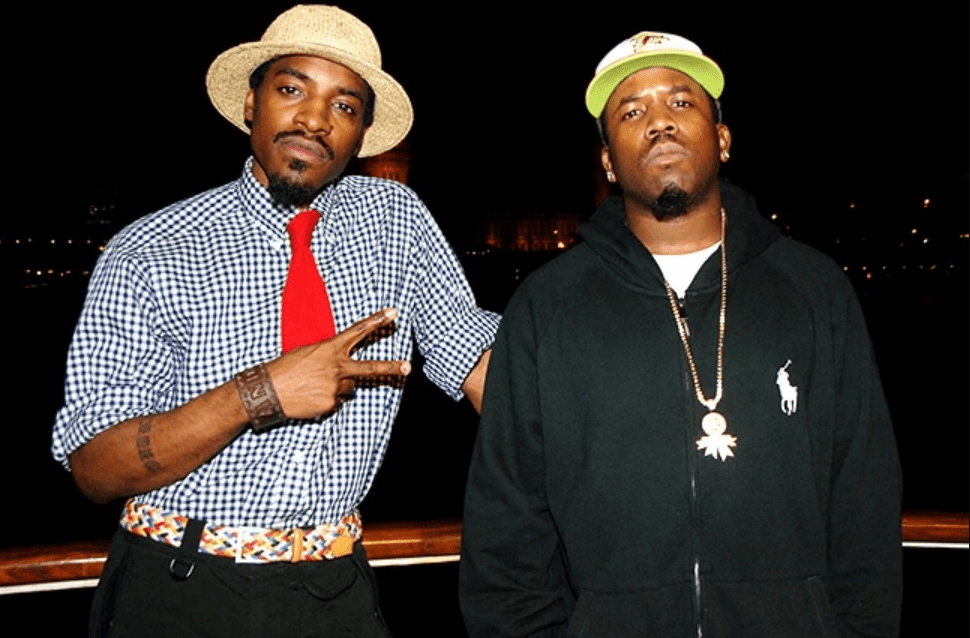
Outkast, the dynamic duo composed of André “3000” Benjamin and Antwan “Big Boi” Patton, has left an indelible mark on hip-hop. Emerging from Atlanta, Georgia, in the early 1990s, Outkast revolutionized the genre with their eclectic sound, groundbreaking albums, and distinctive cultural contributions. Their influence extends far beyond their music, shaping the trajectory of hip-hop and popular culture.
When Outkast released their debut album, “Southernplayalisticadillacmuzik,” in 1994, hip-hop was predominantly dominated by East and West Coast artists. Outkast shattered regional barriers by putting the South on the hip-hop map. Their success paved the way for other Southern artists, fostering a new wave of talent from the region and diversifying the hip-hop landscape.
Outkast’s music is characterized by its innovative blend of genres, including funk, jazz, soul, electronic, and rock. This eclectic sound set them apart from their contemporaries and pushed the boundaries of what hip-hop could be. Each of their albums showcased a different facet of their musical creativity:
- “ATLiens” (1996): Introduced a futuristic, spacey sound that was both reflective and forward-thinking, distinguishing them from the hardcore rap scene.
- “Aquemini” (1998): Merged Southern soul with socially conscious lyrics, producing hits like “Rosa Parks” that resonated with a broad audience.
- “Stankonia” (2000): Featured experimental tracks like “B.O.B” and “Ms. Jackson,” blending political commentary with infectious beats.
- “Speakerboxxx/The Love Below” (2003): This double album highlighted their individual styles—Big Boi’s traditional rap roots and André 3000’s venture into funk and soul, resulting in mainstream hits like “Hey Ya!” and “The Way You Move.”
Outkast’s lyrics often delved into social issues, personal introspection, and cultural commentary. They tackled topics such as racism, poverty, and self-identity with a poetic and philosophical approach. This depth resonated with listeners who sought more than just party anthems, and it cemented their reputation as thoughtful and influential lyricists.
Outkast’s impact wasn’t confined to their music. Their bold fashion choices and visually stunning music videos redefined hip-hop aesthetics. André 3000’s flamboyant style and Big Boi’s sleek, Southern gentleman look challenged the genre’s conventional image. Their music videos, including the kaleidoscopic “B.O.B” and the retro “Hey Ya!,” were groundbreaking in their creativity and visual storytelling.
Outkast’s influence extended to the broader music industry and culture. They won numerous awards, including multiple Grammy Awards, and their critical acclaim helped legitimize hip-hop in mainstream music circles. Their willingness to experiment inspired countless artists across genres, encouraging innovation and artistic freedom.

Even though Outkast’s last album, “Idlewild,” was released in 2006, their legacy continues to shape hip-hop. Their genre-blending approach, lyricism, and cultural impact set a precedent for future artists. Contemporary musicians, from Kendrick Lamar to Janelle Monáe, cite Outkast as a significant influence on their work.
Outkast also played a crucial role in establishing Atlanta as a hip-hop powerhouse. Their success laid the groundwork for future Atlanta artists like T.I., Ludacris, and Migos, contributing to the city’s status as a major hub for hip-hop talent. Their impact on hip-hop is profound and far-reaching. By breaking regional barriers, innovating musically, and pushing the boundaries of fashion and visual art, André 3000 and Big Boi redefined what hip-hop could be. Their legacy continues to inspire and influence new generations of artists, ensuring that their contributions to the genre will be remembered for decades to come. In the ever-evolving world of hip-hop, Outkast’s influence remains a testament to the power of creativity and innovation.



 G.O.A.T. VERSES
Leave a comment