

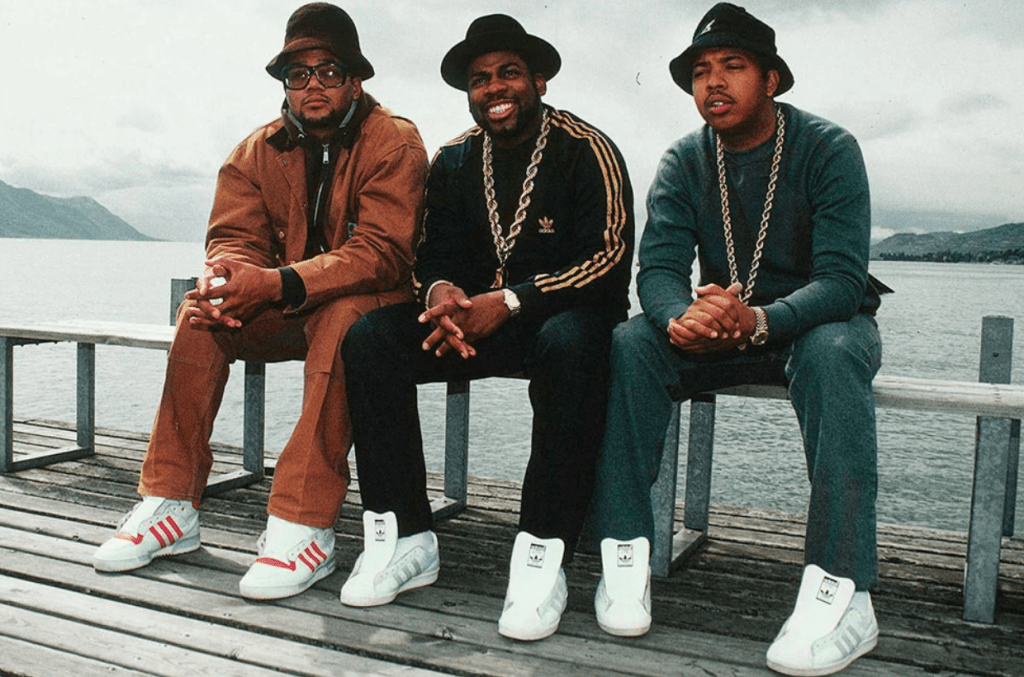
The Golden Era of Hip-Hop, often defined as the period from the mid-1980s to the early 1990s, stands as a pinnacle of creativity, innovation, and cultural influence in the genre’s history. This era produced a remarkable array of artists, groundbreaking albums, and unforgettable tracks that continue to be celebrated and revered today. The impact of this period is profound, as it laid the foundation for contemporary hip-hop and left an indelible mark on popular culture.
The Golden Era of Hip-Hop saw the emergence of numerous iconic artists who would go on to become legends. Figures like Run-D.M.C., LL Cool J, Public Enemy, N.W.A, Eric B. & Rakim, and A Tribe Called Quest brought diverse sounds and perspectives to the forefront. Their innovative approaches to production, lyrical content, and performance set new standards in the industry.
Run-D.M.C.’s self-titled debut album in 1984 and their subsequent work played a crucial role in bringing hip-hop into the mainstream. Their collaboration with Aerosmith on “Walk This Way” bridged the gap between rock and rap, demonstrating the genre’s versatility and broad appeal. Public Enemy’s “It Takes a Nation of Millions to Hold Us Back” (1988) offered a powerful political message, combining Chuck D’s commanding voice with the Bomb Squad’s revolutionary production techniques.
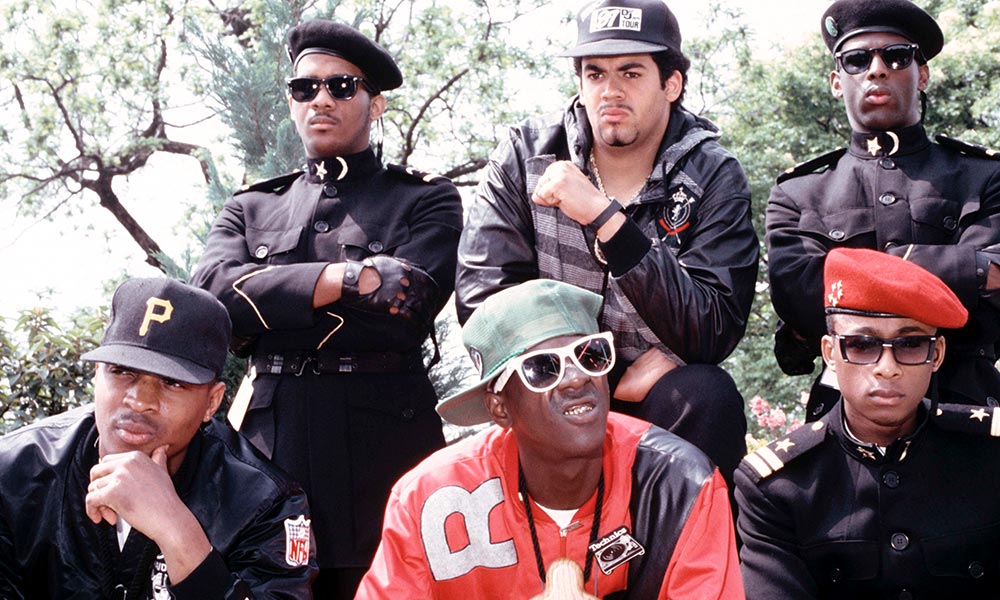
The Golden Era was characterized by significant advancements in production techniques, largely driven by the innovative use of sampling. Producers like Marley Marl, Dr. Dre, and the Bomb Squad pushed the boundaries of what was possible in hip-hop production. They created dense, layered soundscapes that drew from a vast array of sources, including funk, jazz, rock, and soul.
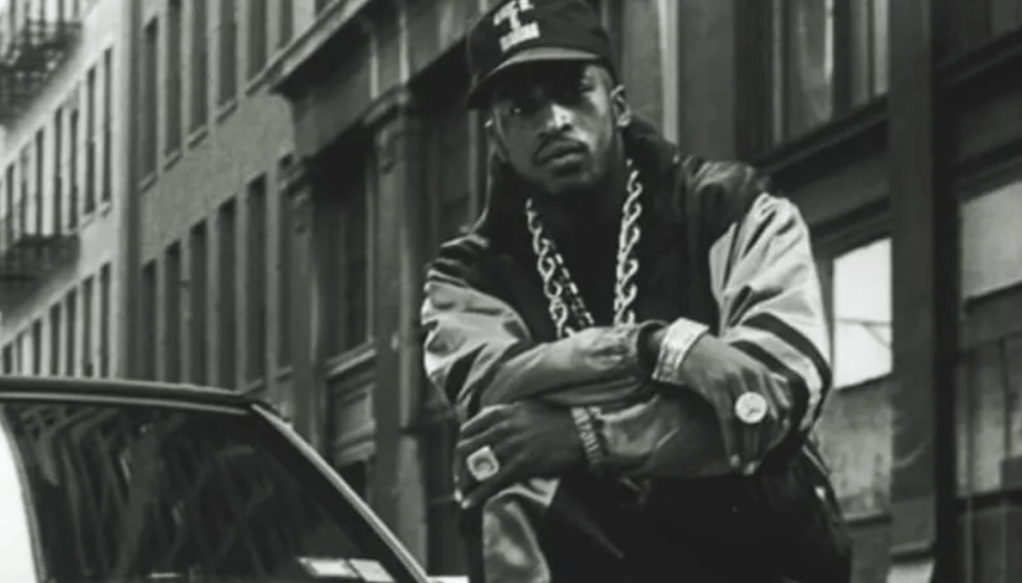
Albums such as Eric B. & Rakim’s “Paid in Full” (1987) and Dr. Dre’s “The Chronic” (1992) showcased the transformative power of sampling and introduced new production styles that would become staples of the genre. These records not only set high standards for musicality but also demonstrated the producer’s role as a creative force in hip-hop.
Lyrically, the Golden Era was marked by its diversity and depth. Artists explored a wide range of themes, from social and political issues to personal narratives and street life. This period saw the rise of complex lyricism, as exemplified by Rakim’s intricate rhymes and wordplay, which set a new benchmark for MCs.
Public Enemy’s Chuck D used his platform to address systemic racism, inequality, and police brutality, creating music that resonated deeply with disenfranchised communities. N.W.A’s “Straight Outta Compton” (1988) provided a raw, unfiltered perspective on life in South Central Los Angeles, challenging listeners and sparking widespread discussion about freedom of expression and the realities of urban life.
The Golden Era was not just a musical movement but a cultural revolution. It influenced fashion, language, and attitudes, shaping the identities of young people around the world. Hip-hop fashion, with its oversized clothing, flashy jewelry, and distinctive street style, became a global phenomenon.
The era’s impact on contemporary music is undeniable. Many of today’s leading hip-hop artists, including Kendrick Lamar, J. Cole, and Drake, draw inspiration from the Golden Era’s pioneers. The emphasis on lyrical prowess, social commentary, and innovative production continues to resonate, ensuring that the principles established during this period remain relevant.
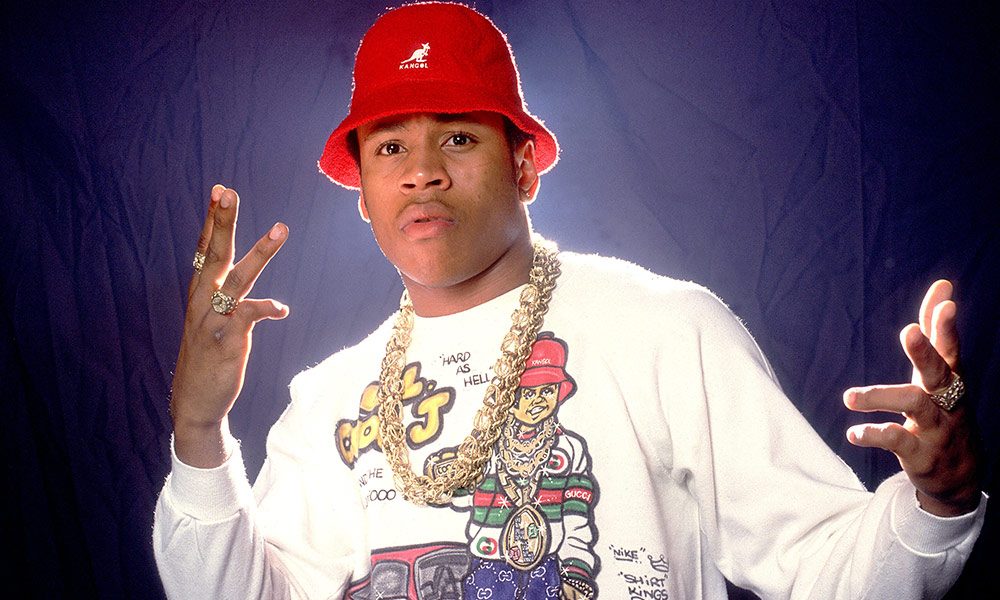
The Golden Era of Hip-Hop continues to be celebrated and appreciated through various means. Classic albums are regularly reissued, and documentaries and biopics explore the lives and careers of the era’s key figures. Annual events, such as hip-hop anniversaries and tribute concerts, honor the contributions of Golden Era artists, ensuring that their legacies endure.
Moreover, the advent of digital streaming platforms has made it easier for new generations to discover and appreciate the music of this influential period. Playlists curated by fans and historians help to keep the Golden Era’s music alive, exposing its timeless quality to listeners worldwide.
The Golden Era of Hip-Hop represents a transformative period in music history, characterized by unparalleled creativity, innovation, and cultural impact. Its legacy continues to influence and inspire artists and fans alike, solidifying its place as a foundational era in the evolution of hip-hop. The appreciation for this golden age is a testament to its enduring power and significance, ensuring that the sounds and messages of this remarkable time will never be forgotten.


 G.O.A.T. VERSES
Leave a comment