
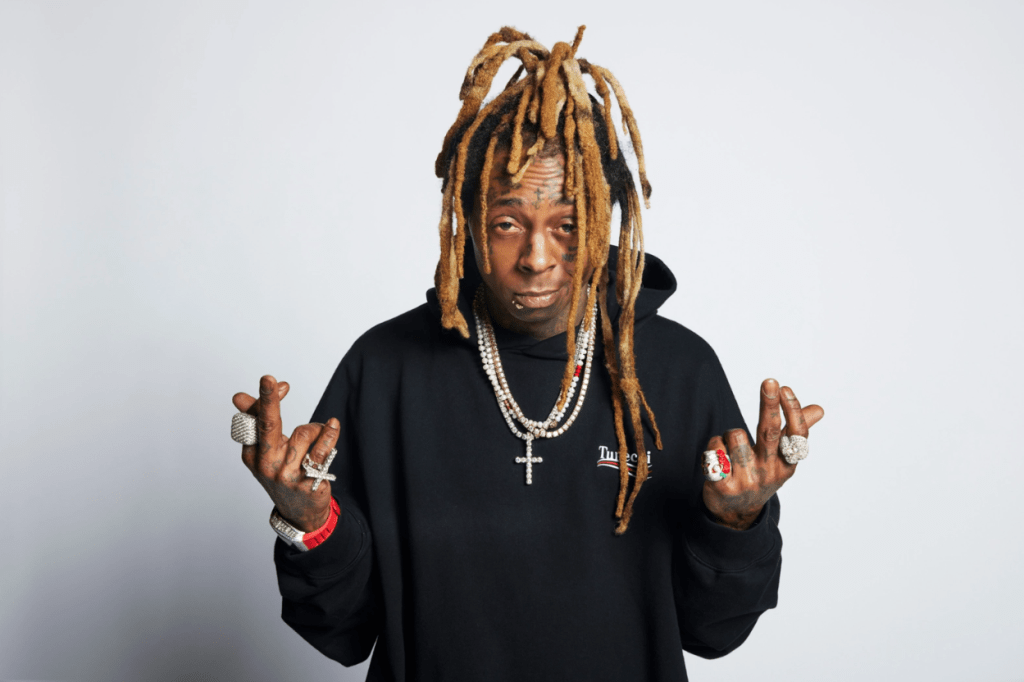
Rap music has always been a genre that thrives on bold statements, larger-than-life personas, and vivid storytelling. The culture of rap is deeply rooted in the expression of experiences, emotions, and fantasies, often pushing the boundaries of reality. However, this artistic liberty raises a contentious question: should rappers be punished for saying unbelievable things in their raps? With many rappers boasting about being millionaires, dealing drugs, and living extravagant lifestyles that may not align with their real lives, the debate over authenticity versus artistic expression becomes prominent.
One of the hallmarks of rap music is its use of hyperbole. Hyperbole, or deliberate exaggeration, is a literary device that has been used by artists for centuries to convey emotions and create vivid imagery. In rap, this often manifests in lyrics that describe wealth, violence, and success in ways that are larger than life. These exaggerations serve multiple purposes: they entertain, they captivate, and they create a persona that listeners find intriguing.
For instance, when a rapper claims to be a millionaire or to have sold vast quantities of drugs, it is not necessarily a literal confession but rather a way to project an image of power and success. This kind of lyrical embellishment is comparable to the hyperbolic tales in rock and roll or the romanticized exploits of folk heroes. It adds to the mystique and allure of the artist, drawing listeners into a world that is both fantastical and aspirational.
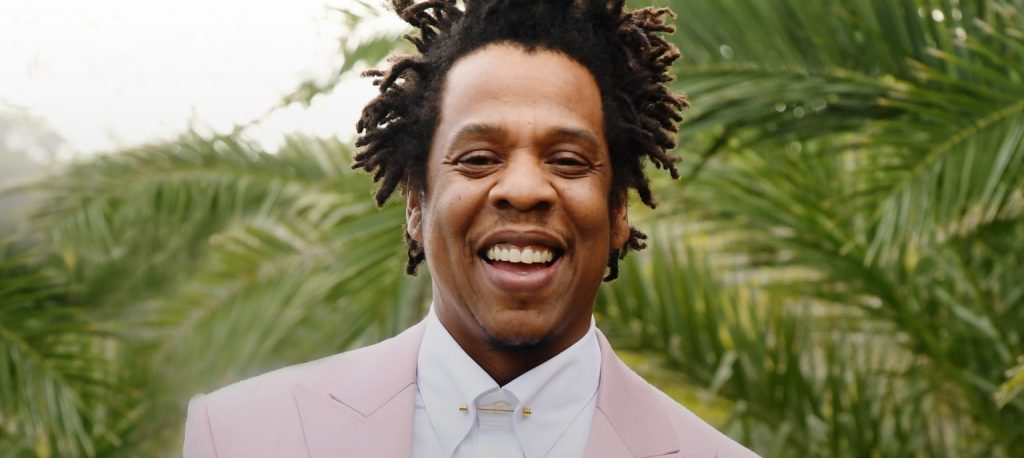
Despite the artistic value of hyperbole, there is a growing concern about authenticity in rap. Fans and critics often debate the importance of “keeping it real” and whether an artist’s credibility is undermined by fictionalized lyrics. Authenticity in rap is prized because the genre originated as a voice for marginalized communities to express their struggles and realities. When artists fabricate their experiences, it can feel like a betrayal to the fans who seek genuine stories and connections through the music.
However, the expectation for rappers to always be truthful can be unrealistic. Many successful rappers come from varied backgrounds, and their personal experiences may not align with the gritty narratives that dominate the genre. This does not necessarily make them unauthentic. Instead, it highlights the diversity of voices within rap and the different ways artists choose to express themselves.
The debate over whether rappers should be punished for their lyrics also extends into legal and ethical territories. There have been instances where rap lyrics have been used as evidence in criminal trials, with prosecutors arguing that the content of the music reflects the artist’s real-life actions. This practice raises serious concerns about freedom of speech and artistic expression. Punishing rappers for their lyrics can set a dangerous precedent, potentially stifling creativity and discouraging artists from exploring controversial or provocative themes.
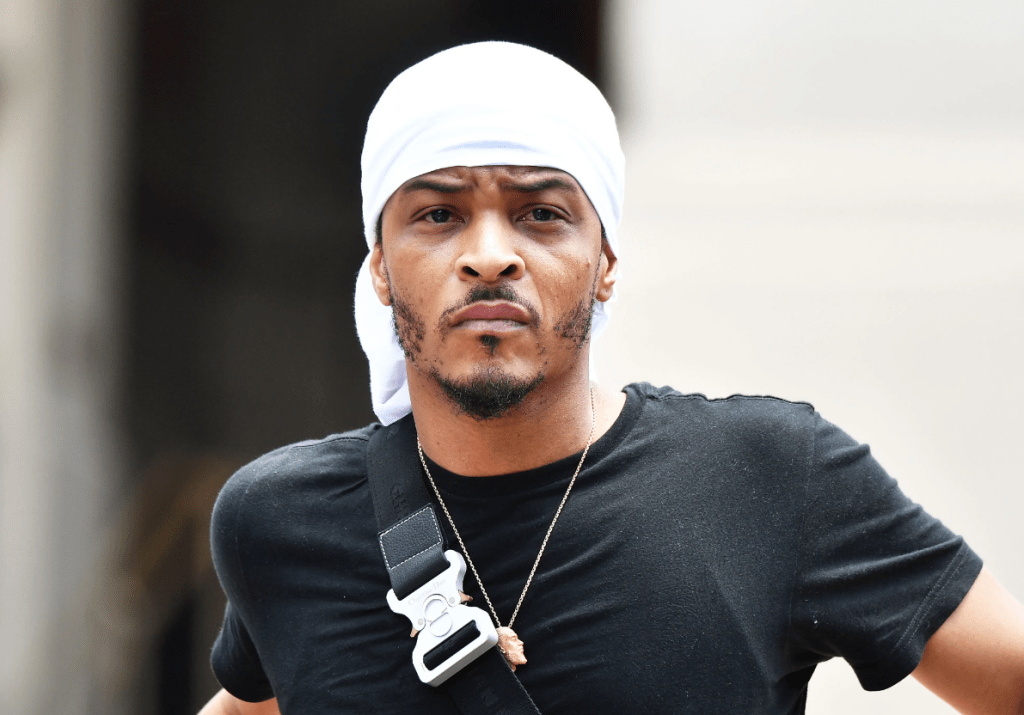
Moreover, holding rappers accountable for exaggerations in their lyrics overlooks the broader context of entertainment. Similar to how actors are not prosecuted for the crimes their characters commit on screen, rappers should not be legally penalized for the fictional elements of their music. Their lyrics are a form of artistic performance, not a direct admission of guilt or intent.
While authenticity is a valued aspect of rap culture, the use of hyperbole and exaggeration is a fundamental part of the genre’s artistic expression. Punishing artists for their lyrics risks infringing on their freedom of speech and artistic creativity. Instead, listeners should appreciate the diversity of narratives in rap and recognize the difference between artistic performance and reality. Rap music, like all forms of art, should be understood as a medium that blends truth and fiction to create powerful and compelling stories.

 G.O.A.T. VERSES
Leave a comment