
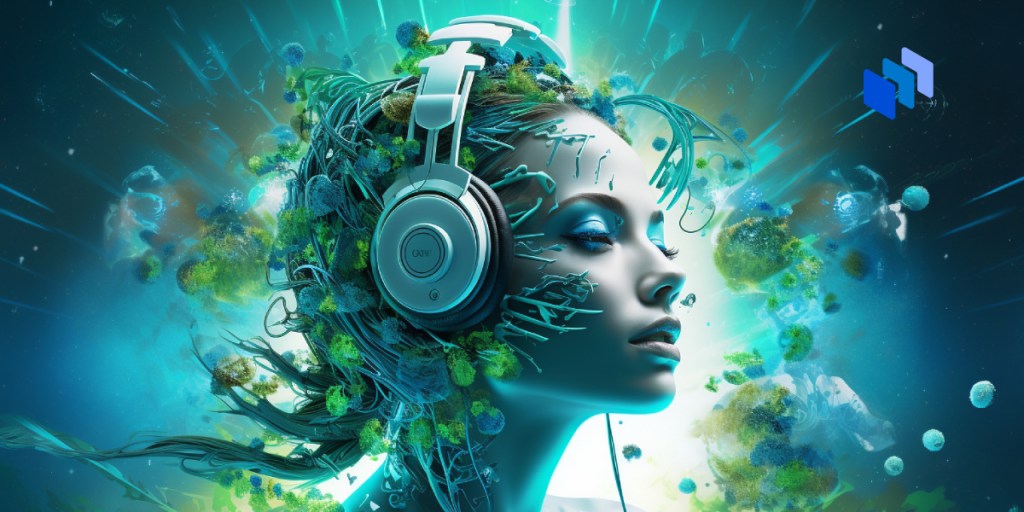
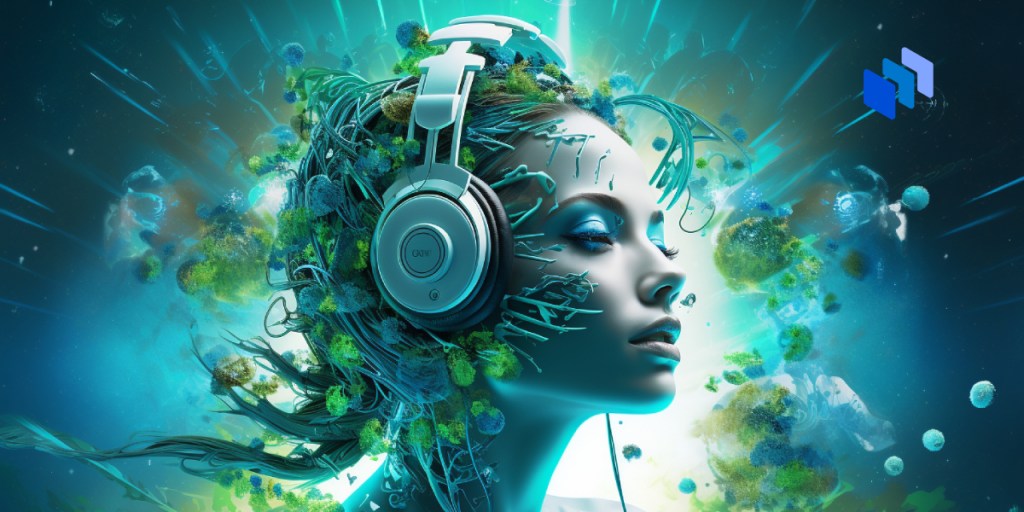
Hip Hop has always been more than just a genre of music; it’s a cultural movement, a voice for the voiceless, and a constantly evolving art form. Since its inception in the late 1970s, Hip Hop has thrived on innovation, pushing boundaries in music, fashion, language, and social norms. As we navigate the current digital age, one pressing question looms: how can Hip Hop keep up?
The Streaming Era
Streaming has revolutionized the music industry, providing artists with unprecedented access to global audiences. Platforms like Spotify, Apple Music, and YouTube have democratized music distribution, making it easier than ever for artists to release their music independently. For Hip Hop, a genre traditionally characterized by its grassroots and do-it-yourself ethos, streaming presents both opportunities and challenges.
On the one hand, streaming allows artists to bypass traditional gatekeepers, reaching listeners directly and building organic followings. The ability to upload music to platforms like SoundCloud has given rise to numerous successful Hip Hop careers. Artists like Chance the Rapper and Lil Nas X leveraged the power of streaming to achieve mainstream success without major label backing.
On the other hand, the sheer volume of music available on streaming platforms makes it difficult for new artists to stand out. The competitive nature of streaming also leads to shorter attention spans and the need for constant content production. In this landscape, how can Hip Hop artists maintain their relevance and continue to innovate?

Navigating the Future
As we look to the future, several trends and technologies have the potential to shape the evolution of Hip Hop in the digital age.
- Artificial Intelligence (AI) and Machine Learning: AI is already making waves in music production, with algorithms capable of generating beats, writing lyrics, and even creating entire songs. While some purists may balk at the idea, AI could become a valuable tool for Hip Hop artists, augmenting their creative processes and pushing the boundaries of the genre. However, the challenge lies in maintaining the human element and authenticity that are core to Hip Hop.
- Virtual Reality (VR) and Augmented Reality (AR): As VR and AR technologies become more advanced and accessible, they offer new avenues for Hip Hop artists to engage with fans. Virtual concerts, immersive music videos, and interactive experiences could transform the way fans consume and interact with Hip Hop. These technologies also offer the potential to create entirely new forms of artistic expression within the genre.
- Blockchain and NFTs: Blockchain technology and non-fungible tokens (NFTs) are set to disrupt the music industry by providing new ways for artists to monetize their work and connect with fans. NFTs can offer exclusive content, digital collectibles, and even shares in songs, providing artists with additional revenue streams. For Hip Hop artists, this could mean greater financial independence and the ability to maintain more control over their intellectual property.
- Social Media and Direct Fan Engagement: While social media is not new, its role in the music industry continues to evolve. Platforms like TikTok have demonstrated their power in breaking new artists and turning songs into viral hits. For Hip Hop artists, mastering social media engagement remains crucial. Future innovations in social media could further enhance direct artist-to-fan interactions, creating more personalized and immersive experiences.

The Role of Community and Culture
Despite the rapid technological advancements, the essence of Hip Hop lies in its community and culture. The genre has always been a reflection of the socio-political landscape, providing commentary and resistance. As technology reshapes the music industry, it is essential for Hip Hop to remain rooted in its cultural significance.
Future Hip Hop artists must continue to tell authentic stories and address real-world issues, using technology as a tool rather than a crutch. Collaboration, mentorship, and the preservation of Hip Hop history will be crucial in ensuring the genre’s continued relevance and evolution.
Hip Hop has thrived for decades by adapting to change and pushing boundaries. As we move deeper into the digital age, the genre faces new challenges and opportunities. By embracing technological advancements while staying true to its cultural roots, Hip Hop can continue to innovate and inspire. The future of Hip Hop in the digital age is not just about keeping up—it’s about leading the charge and shaping the future of music itself.

 G.O.A.T. VERSES
Leave a comment