


In the realm of hip-hop, mixtapes often serve as the launchpad for artists’ careers, offering a raw, unfiltered glimpse into their early artistry. Two of the genre’s most influential figures, Drake and Kendrick Lamar, began their journeys with notable mixtapes: Drake’s “Room for Improvement” and Kendrick Lamar’s “C4.” Though both artists have since achieved monumental success, their early works provide an intriguing comparison of their foundational styles and approaches to hip-hop.
Drake’s “Room for Improvement” (2006)
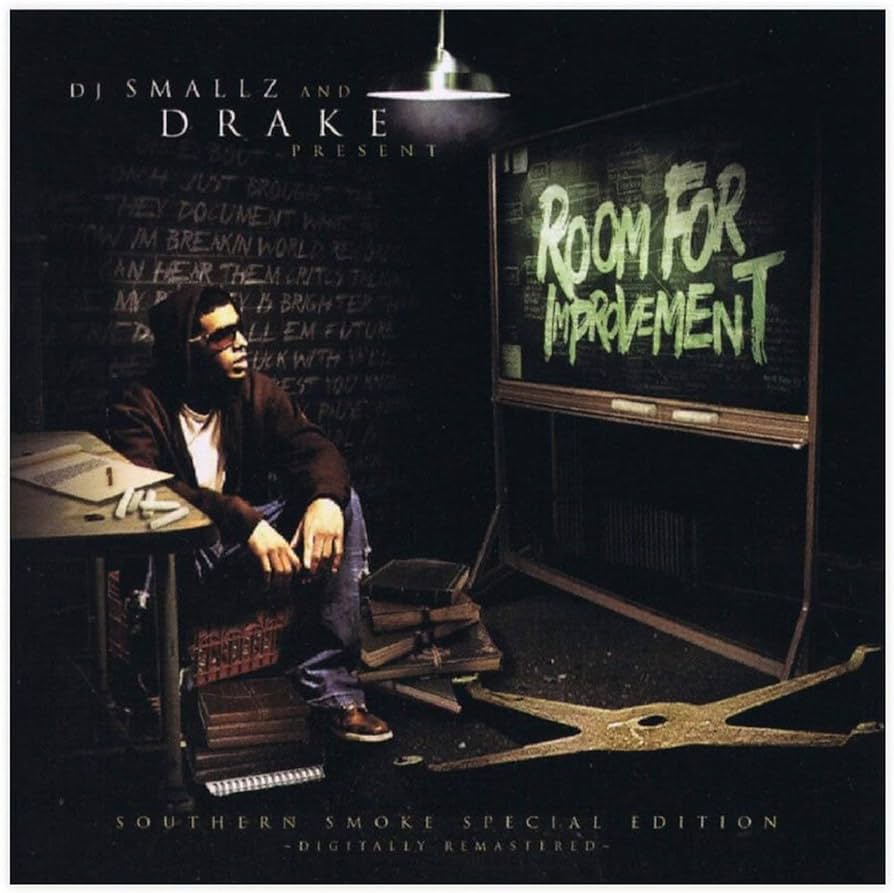
Released in 2006, “Room for Improvement” marked Drake’s first official mixtape, introducing the world to a Toronto artist with a unique blend of rapping and singing. At this point, Drake was primarily known for his role on the TV show “Degrassi: The Next Generation,” and his transition into music was met with curiosity and skepticism.
Key Features:
- Diverse Sound: “Room for Improvement” showcases a mix of smooth R&B tracks and more traditional rap songs, reflecting Drake’s versatility. Tracks like “Do What You Do” and “City Is Mine” highlight his ability to blend melodic hooks with lyrical rap verses.
- Lyricism and Themes: The mixtape delves into themes of ambition, relationships, and the hustle of making it in the music industry. Drake’s introspective lyrics and relatable storytelling begin to shine, though they are less polished compared to his later work.
- Production: The production on “Room for Improvement” is varied, featuring contributions from emerging producers at the time. The beats range from soulful samples to more contemporary hip-hop sounds, providing a broad sonic landscape for Drake’s experimentation.
Impact and Reception:
- While not a commercial success, “Room for Improvement” garnered attention within the hip-hop community and laid the groundwork for Drake’s subsequent releases. It was a promising debut that hinted at the potential he would soon realize.
Kendrick Lamar’s “C4” (2009)
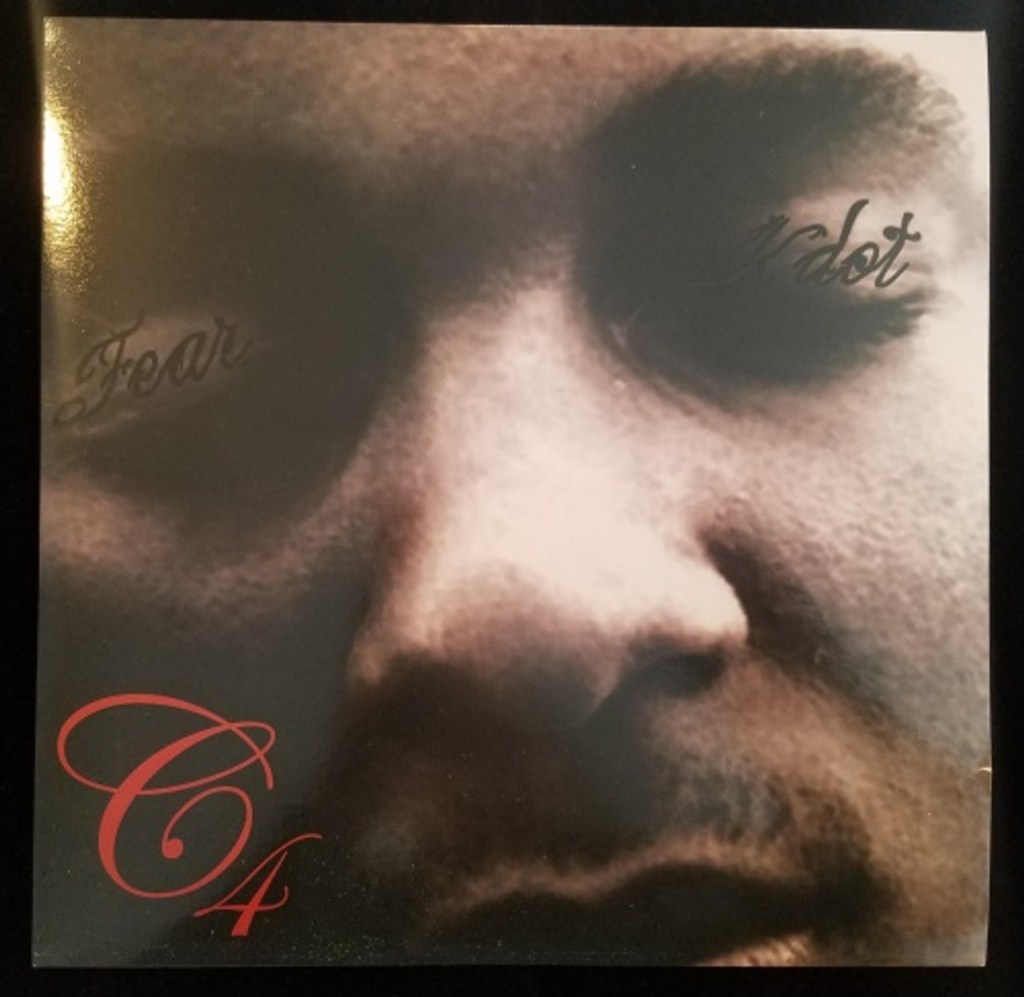
Three years after Drake’s mixtape debut, Kendrick Lamar released “C4” under his former moniker, K.Dot. This mixtape was heavily inspired by Lil Wayne’s “Tha Carter III,” both in title and style, showcasing a young Kendrick paying homage to one of his influences while beginning to carve out his own identity.
Key Features:
- Lyricism: “C4” highlights Kendrick’s early lyricism. His complex rhyme schemes, storytelling abilities, and socially conscious themes are evident even in these early tracks. Songs like “Compton Chemistry” and “Mr. Carter (Freestyle)” showcase his technical skill and thoughtful commentary.
- Homage to Lil Wayne: The mixtape features several freestyles over beats from “Tha Carter III,” illustrating Kendrick’s admiration for Lil Wayne and his ability to reinterpret popular tracks with his unique perspective.
- Raw Energy: There is a raw, unrefined energy throughout “C4” that captures the hunger and drive of a young artist eager to prove himself. This rawness, while less polished than his later work, adds an authentic edge to the mixtape.
Impact and Reception:
- “C4” did not achieve significant mainstream success but was crucial in building Kendrick’s underground following. It showcased his potential and versatility, setting the stage for his breakout projects like “Section.80” and “good kid, m.A.A.d city.”
Comparative Analysis
Artistic Vision:
- Drake: “Room for Improvement” illustrates Drake’s early attempt to merge rap and R&B, a fusion that would later become his signature style. His focus on personal themes and emotional expression laid the foundation for his future mainstream appeal.
- Kendrick Lamar: “C4” emphasizes lyrical complexity and social awareness, characteristics that would define Kendrick’s critically acclaimed works. His ability to weave personal and political narratives was apparent even in this early stage.
Influence and Legacy:
- Drake: Drake’s debut mixtape hinted at the massive crossover appeal he would achieve, blending genres and appealing to both rap and R&B audiences. His journey from “Room for Improvement” to becoming one of the biggest names in music underscores his evolution and adaptability.
- Kendrick Lamar: “C4” reflects Kendrick’s roots in conscious rap and his deep respect for hip-hop’s lyrical traditions. His evolution from K.Dot to Kendrick Lamar symbolizes his growth into a profound and influential voice in modern music.
In conclusion, while both “Room for Improvement” and “C4” served as springboards for Drake and Kendrick Lamar, respectively, they also provide a fascinating look at the early stages of two distinct yet equally impactful careers. Drake’s blend of rap and melody and Kendrick’s lyrical depth and social commentary highlight their unique paths in the hip-hop landscape. As both artists continue to shape the genre, their debut mixtapes remain essential listening for understanding their artistic origins and evolution.



 G.O.A.T. VERSES
Leave a comment