
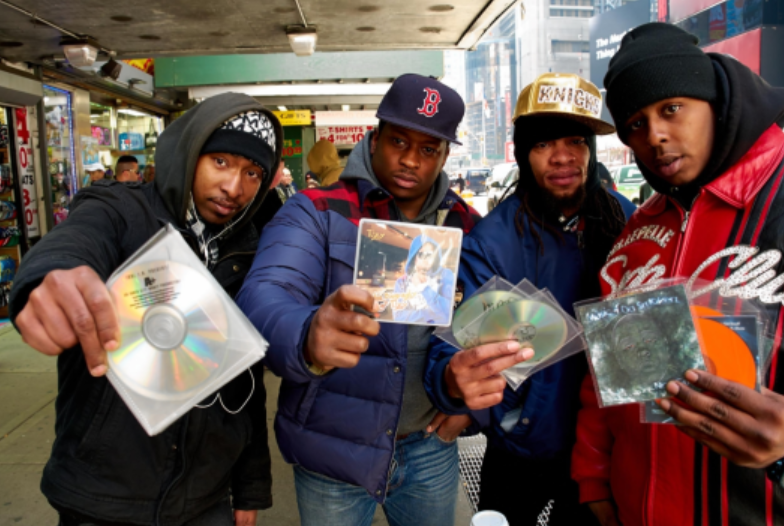
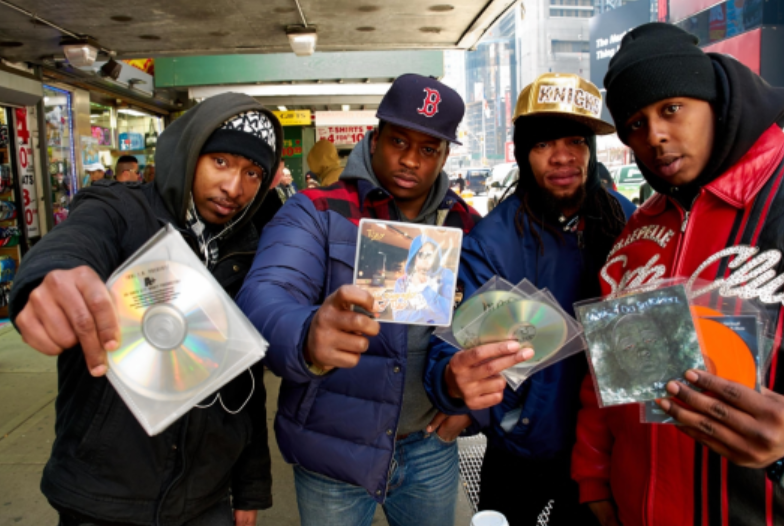
The music industry, and hip-hop in particular, has undergone a radical transformation over the past few decades. The shift from physical CDs to digital streaming has revolutionized how artists distribute their music and how fans consume it. This evolution has brought both opportunities and challenges for rappers, altering the financial landscape and the very essence of promotion and distribution in the industry.
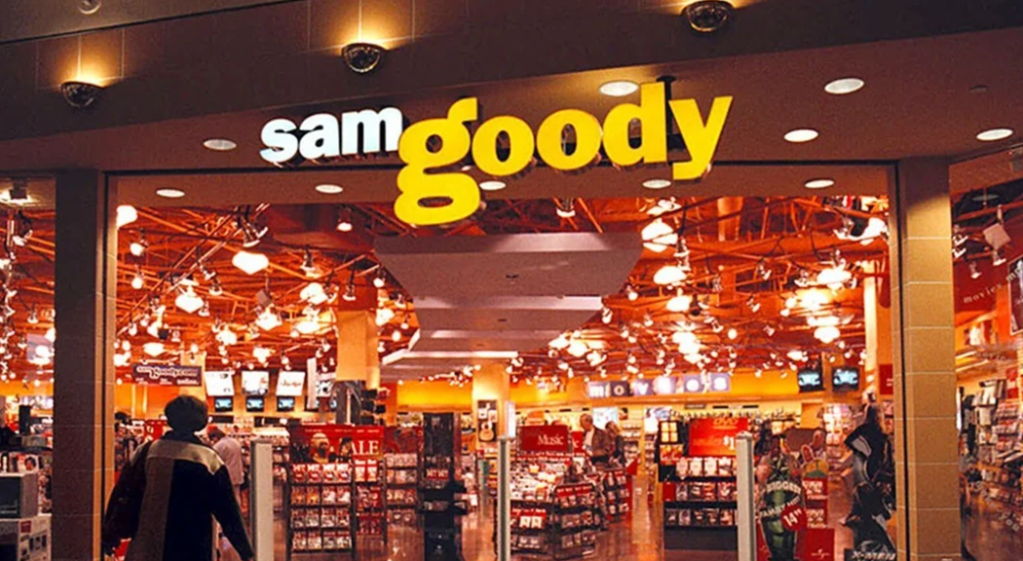
In the late 20th and early 21st centuries, buying a rapper’s CD in person was a common experience. Hip-hop artists would often sell their albums at local record stores, concerts, and even out of the trunks of their cars. This grassroots approach allowed fans to have a tangible connection to the music and the artist. Moreover, the physical nature of CDs provided a sense of ownership and collectability that digital files lack.
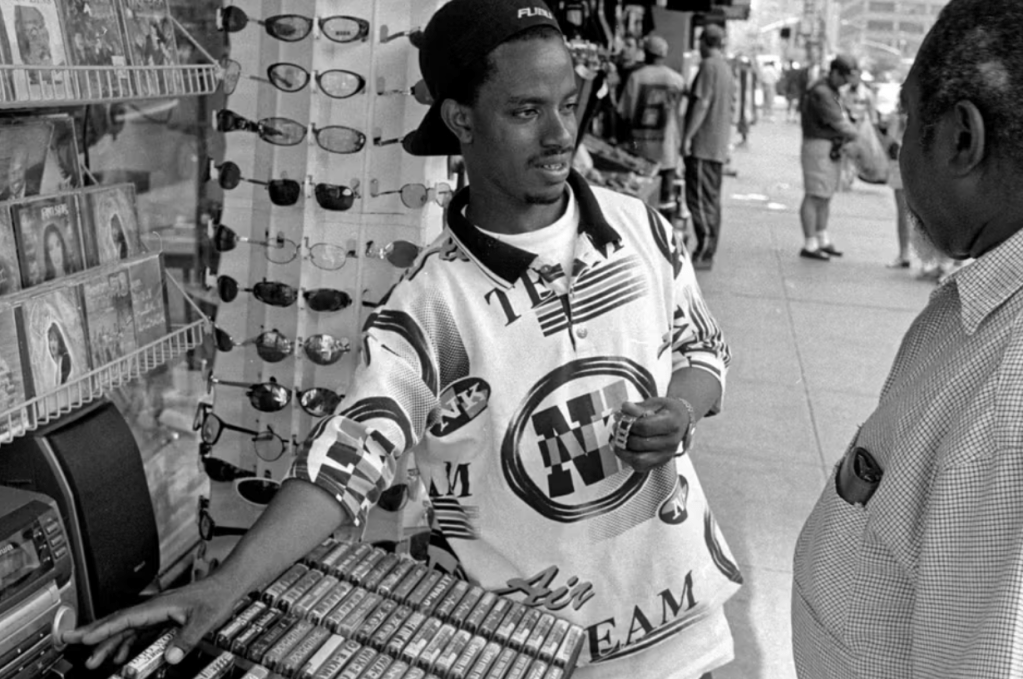
For up-and-coming rappers, handing out mixtapes was a crucial strategy to build a buzz. Artists like 50 Cent and Lil Wayne famously flooded the streets with their mixtapes, creating a groundswell of support that propelled them to mainstream success. This direct-to-fan interaction was not only a promotional tool but also a way to build a loyal following.
Financially, selling physical CDs and mixtapes allowed rappers to see immediate returns on their investment. A CD sold for $10-$15, with much of that revenue going directly to the artist, minus production and distribution costs. This direct income stream was essential for independent artists who didn’t have the backing of major labels.
The Rise of Digital Streaming
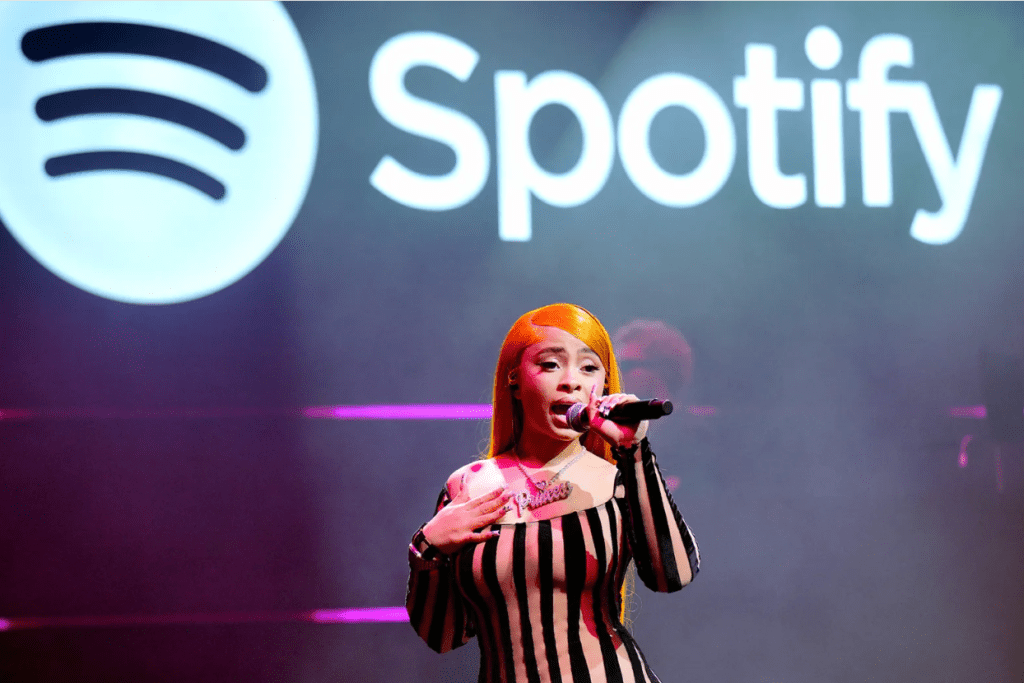
Today, the landscape has shifted dramatically. The rise of digital streaming platforms like Spotify, Apple Music, and YouTube has made physical CDs nearly obsolete. Instead of buying albums, fans now subscribe to services that give them access to millions of songs at their fingertips. While this has made music more accessible to listeners worldwide, it has introduced significant challenges for artists.
Streaming revenue is notoriously low compared to physical sales. Platforms pay artists a fraction of a cent per stream, meaning that millions of streams are necessary to make a substantial income. For example, Spotify pays roughly $0.003 to $0.005 per stream. To earn $1,000, an artist would need approximately 250,000 streams. This is a stark contrast to the days when selling a few thousand CDs could generate a significant income.
Additionally, the digital age has intensified competition. With barriers to entry lower than ever, countless artists are vying for attention on the same platforms. This saturation makes it harder for new artists to stand out without substantial marketing efforts.
The New Era of Promotion
In the past, handing out mixtapes on the street could build a rapper’s local fanbase and create word-of-mouth buzz. Today, social media has taken over as the primary means of promotion. Platforms like Instagram, Twitter, TikTok, and YouTube are essential tools for reaching new audiences. Artists must be savvy marketers, constantly engaging with fans and creating content to maintain visibility.
However, this new form of promotion comes with its own set of financial challenges. Social media marketing often requires investing in advertising to reach a broader audience. Additionally, creating high-quality content—such as music videos, behind-the-scenes footage, and interactive posts—can be costly and time-consuming.
The pressure to maintain a consistent online presence can also be overwhelming. Artists must balance their time between creating music and engaging with their audience, often blurring the lines between their personal and professional lives. This constant demand for attention can lead to burnout and affect the quality of their work.
Adapting to the New Reality
Despite these challenges, many artists have successfully adapted to the digital age. Independent artists now have more control over their careers, utilizing digital platforms to distribute music without the need for major label support. Crowdfunding platforms like Patreon and Kickstarter have also provided alternative revenue streams, allowing fans to directly support their favorite artists.
Collaborations with brands and sponsorship deals have become increasingly important, providing additional income sources. Merchandise sales, live performances, and exclusive content are other ways artists can supplement their streaming revenue.
The shift from physical CDs to digital streaming has drastically altered the hip-hop industry. While it has democratized music distribution and made it easier for artists to reach global audiences, it has also introduced new financial challenges and a need for constant online promotion. Rappers must now navigate a complex landscape where streaming revenue is low, competition is fierce, and the demands of social media are relentless. Adapting to this new reality requires creativity, resilience, and a willingness to embrace new technologies and strategies. As the industry continues to evolve, so too must the artists who define it.

 G.O.A.T. VERSES
Leave a comment