
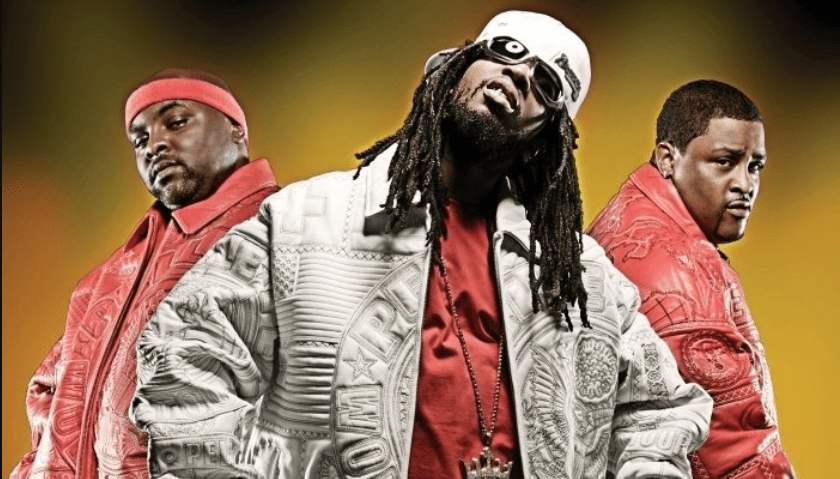
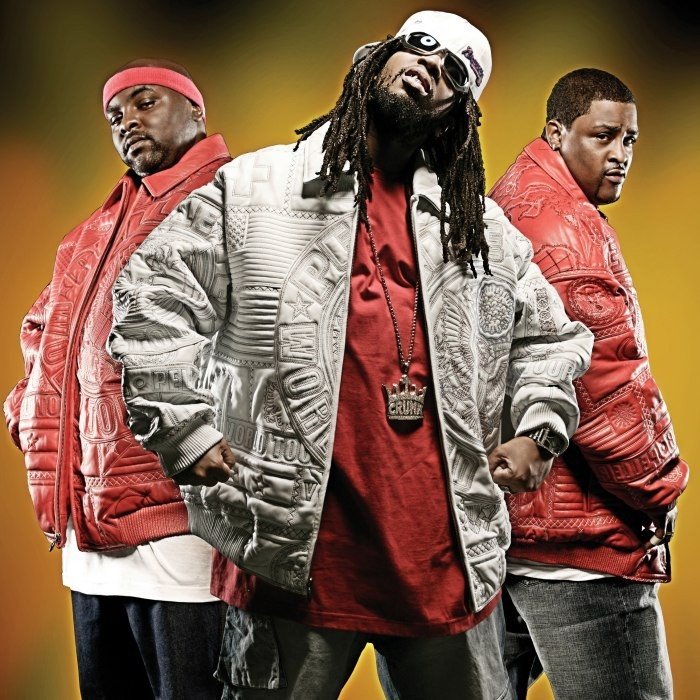
Hip-hop is a dynamic and ever-evolving genre that has experienced numerous movements, each contributing to its rich tapestry. These movements, defined by distinctive sounds, themes, and cultural influences, have propelled hip-hop from its origins in the Bronx to a global phenomenon. Let’s explore some of the pivotal movements that have shaped hip-hop over the decades.
The Golden Age: Birth of Conscious and Boom Bap Rap
The Golden Age of hip-hop, spanning from the mid-1980s to the early 1990s, is often heralded as a period of unparalleled creativity and innovation. This era saw the rise of boom bap rap, characterized by its hard-hitting beats and complex lyricism. Artists like Rakim, KRS-One, and A Tribe Called Quest emerged, emphasizing lyrical dexterity and social commentary. This movement laid the foundation for what many consider the essence of hip-hop: storytelling, cultural expression, and a focus on lyrical prowess.
Gangsta Rap: Voices from the Streets
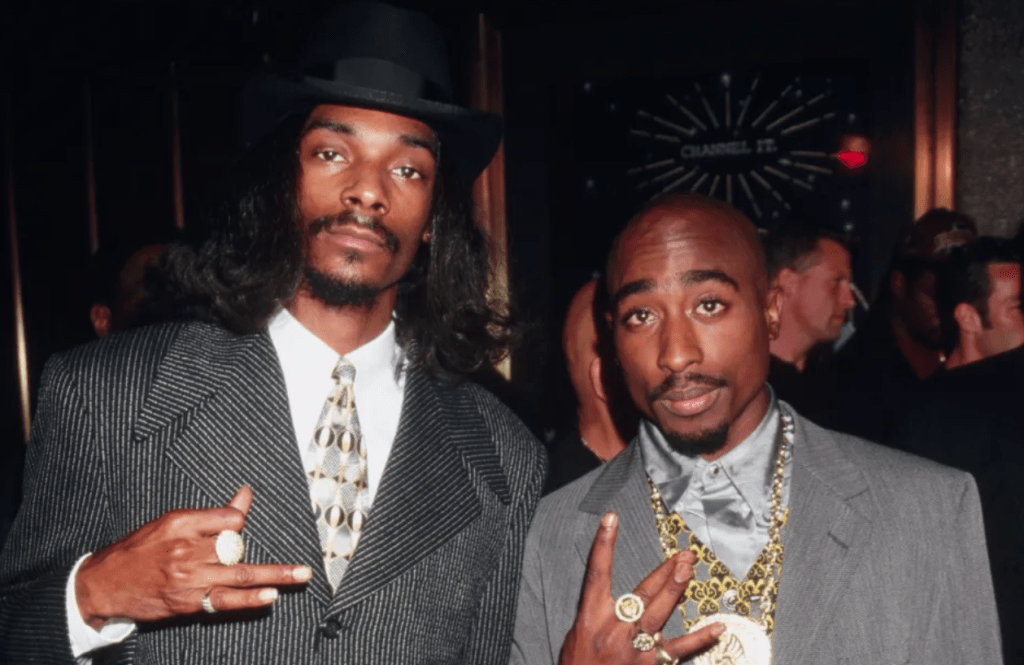
The late 1980s and early 1990s witnessed the emergence of Gangsta rap, a movement that brought the raw realities of urban life to the forefront. Pioneered by groups like N.W.A and artists such as Ice-T and Tupac Shakur, gangsta rap provided a gritty, unfiltered look at inner-city struggles, police brutality, and systemic inequality. Its controversial content sparked national debates and brought hip-hop into the mainstream, illustrating the genre’s power to address serious social issues.
The Southern Renaissance: Crunk and Dirty South
As hip-hop spread across the United States, the South developed its own distinctive sound. In the late 1990s and early 2000s, the crunk movement, spearheaded by Lil Jon and the East Side Boyz, took center stage. Crunk’s high-energy beats, repetitive hooks, and call-and-response chants made it a staple in clubs and parties. Simultaneously, the broader Dirty South movement, with artists like OutKast, UGK, and Ludacris, diversified the soundscape, blending funk, soul, and blues influences with regional narratives.
The Bling Era: Materialism and Mainstream Success
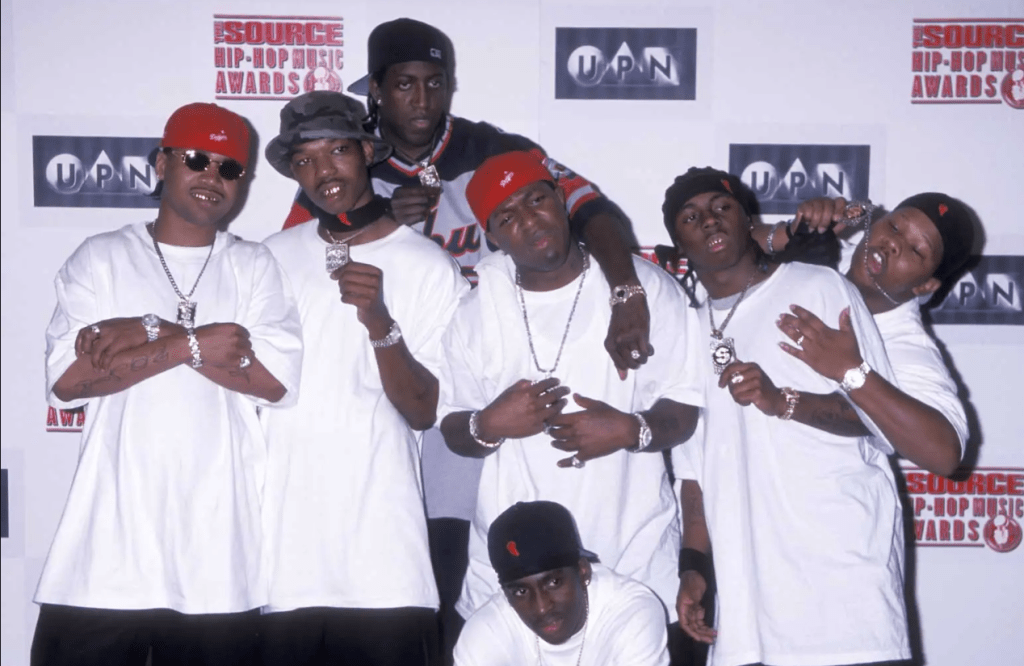
The late 1990s to early 2000s also marked the rise of the Bling Era, characterized by a focus on wealth, luxury, and extravagant lifestyles. Artists like Jay-Z, Puff Daddy, and Cash Money Records’ roster (including Lil Wayne and Juvenile) epitomized this movement. Music videos and lyrics often showcased opulent living, from expensive cars to lavish jewelry. This era reflected hip-hop’s growing commercial success and influence in mainstream culture.
The Backpack Movement: Underground and Alternative Hip-Hop
In response to the commercial excesses of the Bling Era, the late 1990s and early 2000s also saw the rise of the backpack movement. Artists like Mos Def, Talib Kweli, and groups such as The Roots emphasized socially conscious lyrics, intellectualism, and a return to the genre’s foundational elements. This movement catered to listeners seeking depth and substance, often eschewing mainstream appeal in favor of authenticity and innovation.
The Trap Revolution: Modern Beats & 808’s
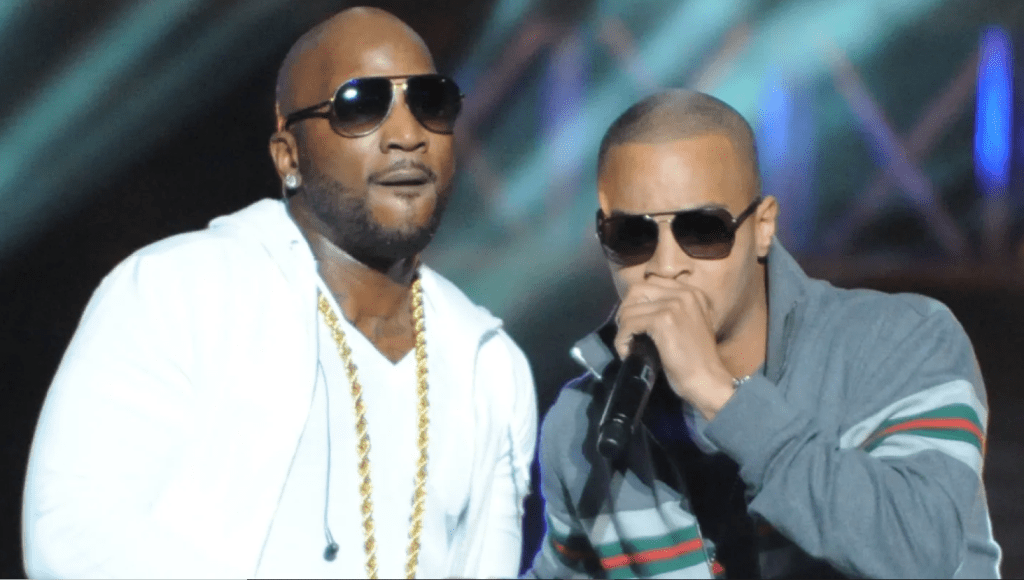
The mid-2000s to the present day has been dominated by the trap movement, originating from the Southern United States, particularly Atlanta. Trap, characterized by its heavy use of 808 bass, hi-hats, and triplet flows, has become the defining sound of contemporary hip-hop. Artists like T.I., Gucci Mane, and later Migos, Future, and Travis Scott have popularized this subgenre, influencing not only hip-hop but also pop music globally.
The Experimental and Emo Rap Movement: Pushing Boundaries
The late 2010s saw the emergence of experimental and emo rap, blending elements of hip-hop with rock, punk, and electronic music. Artists like Lil Peep, Juice WRLD, and XXXTentacion brought raw emotion and vulnerability to the forefront, addressing themes of mental health, addiction, and existential angst. This movement has resonated deeply with younger audiences, reflecting the evolving landscape of hip-hop and its ability to adapt and incorporate diverse influences.
Conclusion: A Genre in Constant Evolution
Hip-hop’s journey through these various movements underscores its adaptability and cultural relevance. Each era has brought something unique to the genre, reflecting the changing social, economic, and political landscapes. From the socially conscious messages of the Golden Age to the hedonistic excesses of the Bling Era, and from the gritty realism of Gangsta rap to the emotional depth of emo rap, hip-hop continues to evolve, challenge, and inspire. As we look to the future, it is clear that hip-hop will remain a powerful voice for generations to come, continually reinventing itself and pushing the boundaries of musical and cultural expression.

 G.O.A.T. VERSES
Leave a comment