

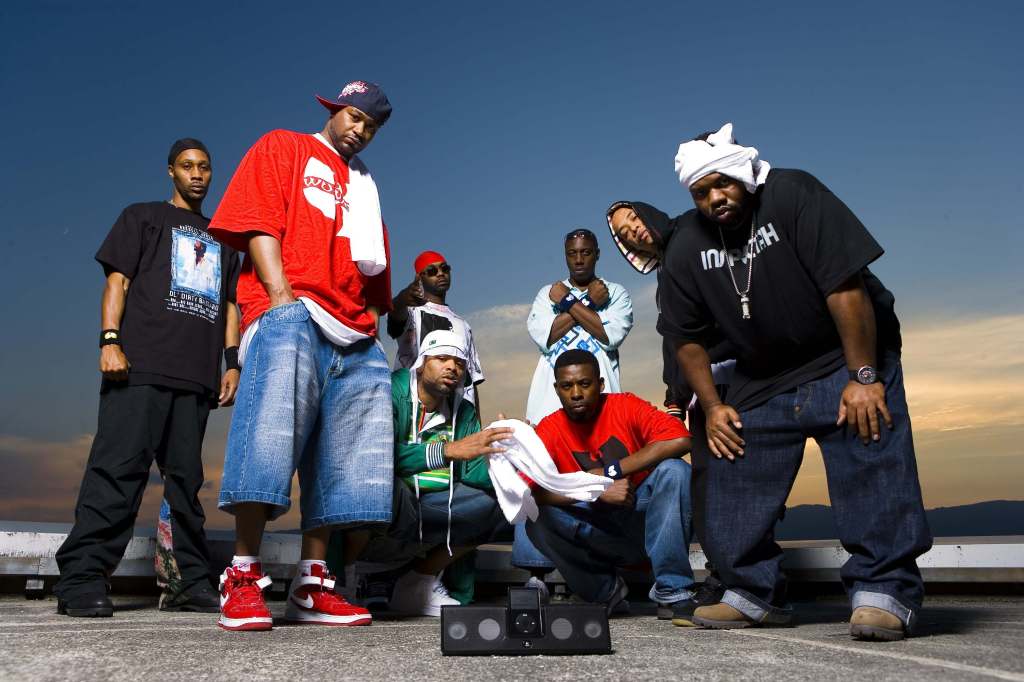
In the ever-evolving landscape of hip hop, one trend has become increasingly apparent: the prominence of solo artists over traditional groups. While hip hop groups have been foundational to the genre, shaping its sound and culture, the current scene suggests a marked shift towards individualism. This raises the question: are hip hop groups a thing of the past?
The 1980s and 1990s were the golden era for hip hop groups. Collectives like Run-D.M.C., N.W.A, A Tribe Called Quest, Wu-Tang Clan, and Public Enemy not only dominated the charts but also significantly influenced the genre’s direction. These groups brought diverse styles and voices together, creating a dynamic and multifaceted approach to hip hop. Their collaborations resulted in groundbreaking albums that have become timeless classics.
In contrast, the 2000s and 2010s witnessed a noticeable rise in solo careers. Artists such as Jay-Z, Kanye West, Drake, and Kendrick Lamar have become icons, often overshadowing the few remaining groups. This shift can be attributed to several factors:
- Economic Incentives: Solo artists can retain a larger share of their earnings, as they do not have to split profits among group members. This financial independence is a significant motivator for many artists.
- Brand Identity: Building a personal brand is easier as a solo artist. In the age of social media, where personal branding is crucial, it’s simpler for solo artists to cultivate a unique identity and connect directly with their audience.
- Creative Control: Solo careers allow for greater creative freedom. Artists can fully express their vision without needing to compromise or negotiate with group members. This autonomy is appealing for many musicians.
- Industry Dynamics: The music industry has shifted towards a model that supports solo artists. Record labels often prefer signing individual artists who can be more easily marketed and managed
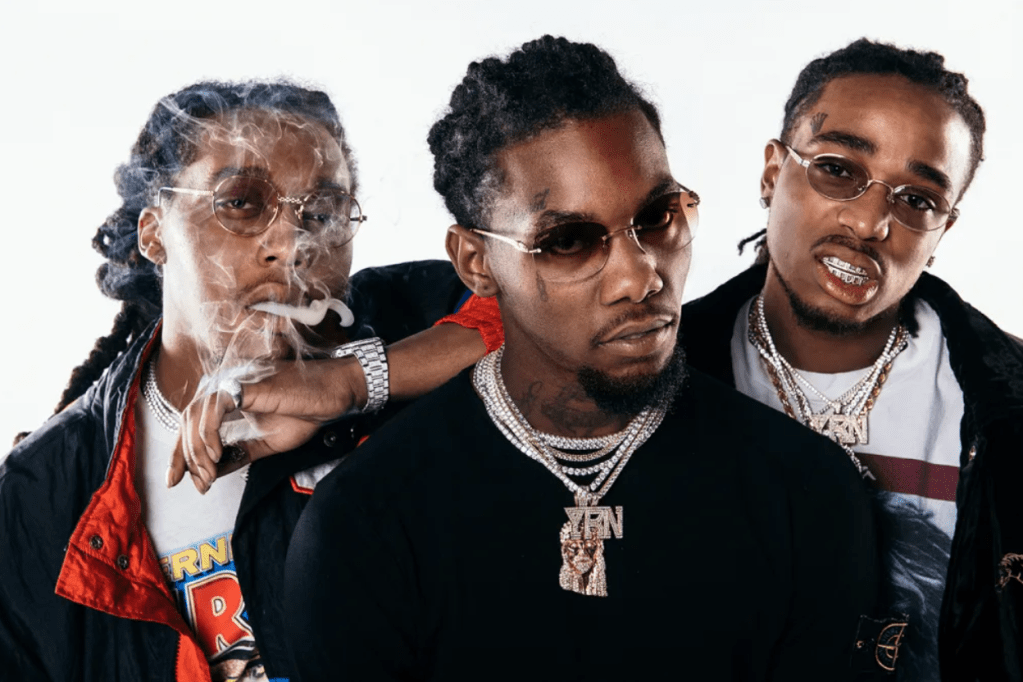
Despite the trend towards solo careers, collaboration remains a vital aspect of hip hop. Many solo artists frequently collaborate on tracks, creating a sense of community and mutual support. Mixtapes and albums often feature a variety of guest appearances, blurring the lines between solo work and group efforts. Supergroups and temporary collaborations, such as Watch the Throne (Jay-Z and Kanye West) and Kids See Ghosts (Kanye West and Kid Cudi), demonstrate that the collaborative spirit is still alive.
While traditional hip hop groups may be less prevalent, they are far from extinct. Newer collectives like Brockhampton and EarthGang have garnered significant attention, proving that there is still a place for groups in modern hip hop. These groups bring fresh perspectives and innovative sounds, suggesting that the group format can evolve and remain relevant.
Moreover, the cyclical nature of music trends implies that the current dominance of solo artists could eventually give way to a resurgence of groups. The music industry is known for its shifts and reinventions, and hip hop is no exception.
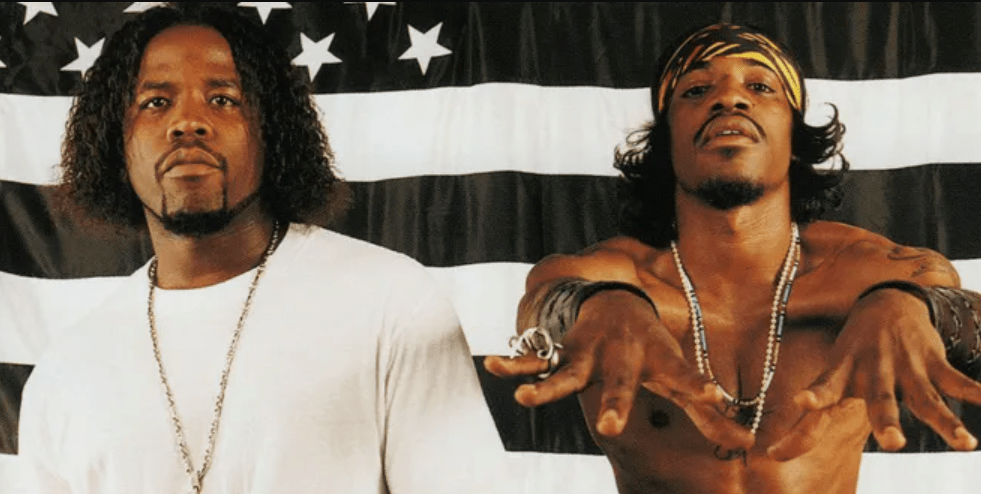
Hip hop groups have undeniably played a crucial role in the genre’s development, and while solo careers are currently more prevalent, the collaborative essence of hip hop endures. The shift towards solo artists is driven by economic, branding, and creative factors, yet the appeal of group dynamics and collaboration remains strong. As hip hop continues to evolve, it is likely that we will see both solo artists and groups contributing to the genre’s rich and diverse tapestry. Hip hop groups may not dominate the scene as they once did, but they are certainly not a thing of the past.

 G.O.A.T. VERSES
Leave a comment