

The landscape of hip-hop has always been defined by its diversity and evolution. From the boom-bap beats of the ’80s to the trap-infused anthems of today, the genre has consistently pushed boundaries. One of the most polarizing elements in contemporary rap music is the use of Auto-Tune, a pitch-correction software that has sparked debates about authenticity and artistry. This article delves into the realm of rappers who eschew Auto-Tune versus those who embrace it, and questions whether the latter group should be held to the same respect as their more traditional counterparts.
For many hip-hop aficionados, authenticity is paramount. Rappers who avoid Auto-Tune are often seen as purists, individuals who rely solely on their lyrical abilities, vocal strength, and raw talent. Notable examples include Kendrick Lamar, J. Cole, and Nas. These artists are celebrated for their storytelling abilities, intricate wordplay, and the emotional depth conveyed through their unaltered voices.
Kendrick Lamar, for instance, is revered for his complex narratives and social commentary. His album “To Pimp a Butterfly” is a masterclass in blending personal introspection with broader cultural themes, all delivered without the crutch of Auto-Tune. Similarly, J. Cole is known for his introspective lyrics and soulful delivery, often drawing comparisons to the golden era of hip-hop.
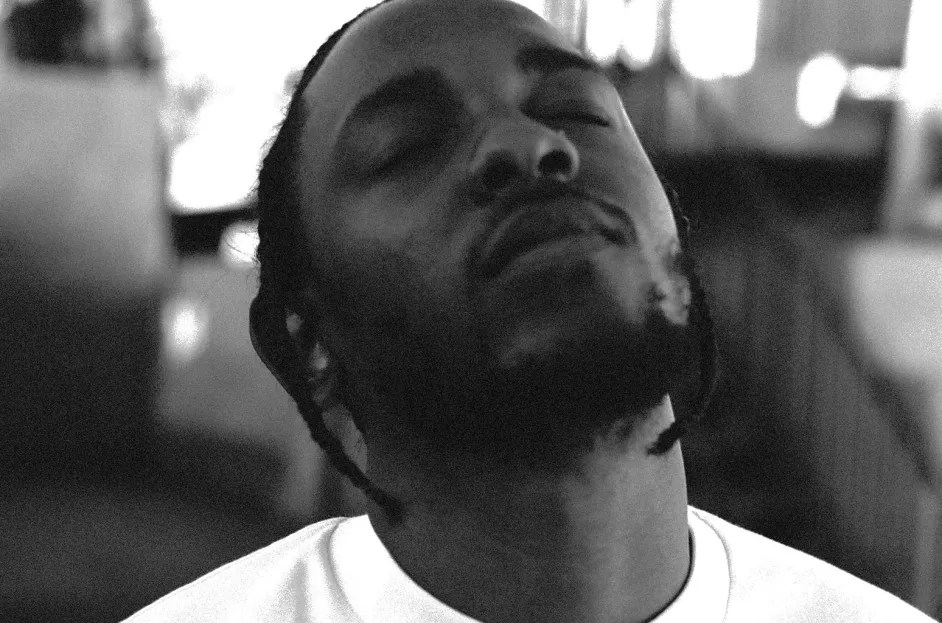
For these artists, the absence of Auto-Tune is not just a stylistic choice but a statement of integrity. They believe that rap should be a raw and unfiltered expression of one’s thoughts and emotions. This perspective resonates with many fans who view Auto-Tune as a tool that dilutes the authenticity of the music.
On the other side of the spectrum are artists who have embraced Auto-Tune as a legitimate artistic tool. Figures like T-Pain, Travis Scott, and Future have pioneered its use, transforming it from a mere pitch-correction device into a distinct sonic signature.
T-Pain is perhaps the most prominent advocate of Auto-Tune, having popularized its use in the mid-2000s. His innovative approach has inspired a generation of artists to experiment with their sound. Travis Scott employs Auto-Tune to create atmospheric and immersive tracks, blending rap with elements of psychedelic music. His use of the software enhances the emotional impact of his music, making his voice an integral part of the overall soundscape.
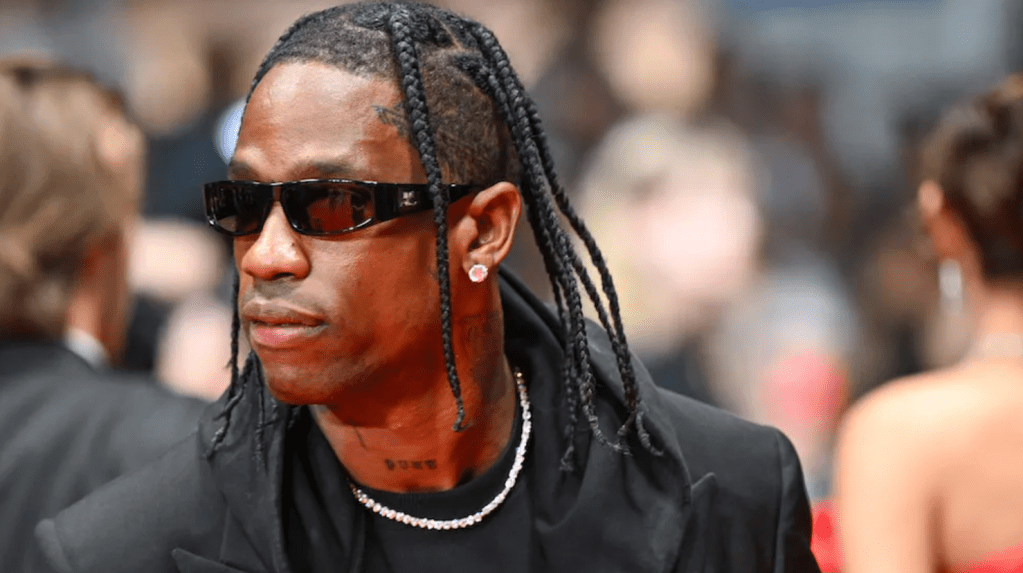
For these artists, Auto-Tune is not about masking deficiencies but about expanding the boundaries of what rap music can be. It allows them to explore new textures and emotional tones, creating a more varied and dynamic auditory experience.
The question of whether rappers who use Auto-Tune should be held to the same respect as those who do not is complex and multifaceted. On one hand, the traditionalist view holds that true artistry lies in the unaltered human voice and the skillful manipulation of words and rhythms without technological aid.
However, this perspective can be seen as overly rigid and dismissive of innovation. The use of Auto-Tune does not necessarily indicate a lack of talent. Many Auto-Tune users are highly skilled musicians and producers who understand the technical aspects of music production intimately. They use the tool to enhance their creativity, not to compensate for a lack of ability.

Moreover, the evolution of music has always involved technological advancements. Just as the electric guitar revolutionized rock music and synthesizers transformed pop, Auto-Tune has undeniably left its mark on hip-hop. To discount its use is to ignore the genre’s inherent spirit of innovation and experimentation.
Ultimately, respect in the hip-hop community should be rooted in the quality of the music and the impact of the artist’s work. Whether an artist uses Auto-Tune or not should be a secondary consideration to their overall contribution to the culture and their ability to connect with audiences on a profound level.
The debate over Auto-Tune in rap is a reflection of broader discussions about authenticity and innovation in music. While some listeners may always prefer the rawness of unaltered vocals, others appreciate the creative possibilities offered by technology. Both approaches have produced influential and respected artists, each pushing the genre in new and exciting directions. In the end, the measure of a rapper’s worth lies not in the tools they use, but in the music they create and the stories they tell.

 G.O.A.T. VERSES
Leave a comment