
Ageism in Hip Hop
In the world of music, longevity is often celebrated. Iconic artists in genres like Rock and Roll, R&B, and Country continue to tour and thrive well into their elderly years. Legends like Paul McCartney, Tina Turner, and Willie Nelson draw massive crowds and receive critical acclaim regardless of their age. However, in the realm of hip hop, a different narrative unfolds. Ageism has emerged as a significant issue, where older artists often face disdain and diminished opportunities. This begs the question: should society shift its perspective and allow room for veteran rappers to continue their craft without the stigma of age?
Hip hop culture has long been associated with youth, rebellion, and innovation. From its origins in the late 1970s, the genre has been driven by young voices expressing the struggles and triumphs of their generation. The break dancers, graffiti artists, MCs, and DJs who pioneered the movement were largely teenagers and young adults. This foundation has led to an enduring perception that hip hop is inherently a young person’s game.
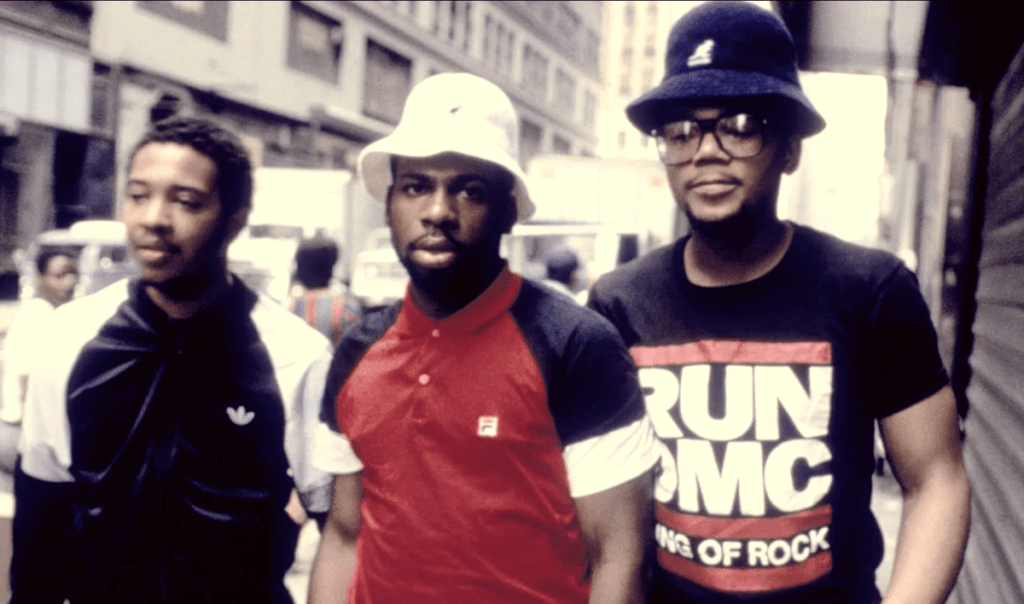
Artists like Run-D.M.C., LL Cool J, and Public Enemy dominated the 80s and early 90s, yet many of these pioneers struggle to maintain the same level of relevance and respect as they age. In contrast, Rock And Roll legends like Mick Jagger and Bruce Springsteen are often revered for their endurance and seen as timeless icons.
The disparity between hip hop and other genres regarding ageism is stark. In rock and roll, older artists are often celebrated for their longevity and ability to evolve. They are seen as repositories of musical history and experience. This reverence extends to R&B and jazz, where the maturity of an artist can add depth and richness to their music, attracting a diverse audience.
However, in hip hop, older artists frequently face criticism for not retiring or adapting to new trends. The genre’s rapid evolution and emphasis on the latest sounds and styles contribute to a perception that older rappers are outdated. This not only stifles their creative output but also limits the diversity and richness of the genre itself.
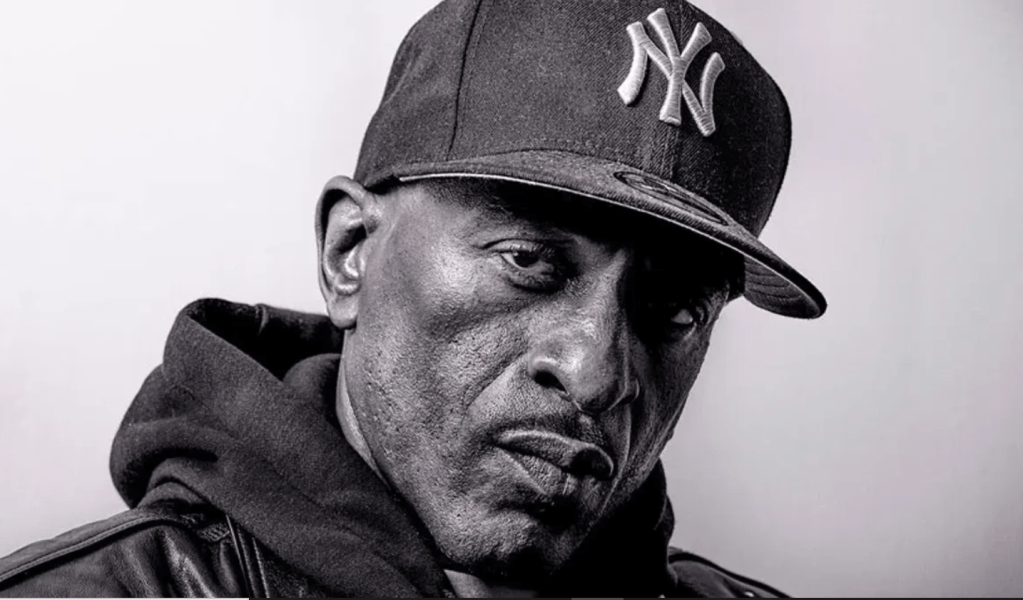
The marginalization of older hip hop artists has broader cultural and economic implications. These artists carry with them decades of experience, wisdom, and historical knowledge that can enrich the genre. Excluding them not only diminishes the potential for mentorship and cross-generational collaboration but also impacts the economic opportunities for these artists who have built their lives around their music careers.
Moreover, fans of hip hop who have grown up with the genre often feel a disconnect when their favorite artists are pushed aside. The music industry risks alienating a loyal and lucrative demographic by not embracing artists as they age.
It is essential to question why ageism persists in hip hop and whether it serves the interests of the genre or its community. Encouraging respect and space for older artists could foster a more inclusive and dynamic hip hop culture. This shift would not only honor the contributions of hip hop pioneers but also provide a richer and more varied musical landscape for listeners.

Society has the power to change this narrative by embracing the idea that artistic relevance is not bound by age. Just as rock and roll fans celebrate the enduring energy of their aging stars, hip hop enthusiasts can recognize the value in the seasoned voices of their genre. Media, record labels, and fans alike can play a role in shifting perceptions, creating a more inclusive and respectful environment for hip hop artists of all ages.
While ageism remains a pervasive issue in hip hop, it does not have to be an insurmountable one. By challenging societal norms and embracing the contributions of older artists, hip hop can continue to grow and evolve, honoring its past while forging a more inclusive future. The time has come for society to reconsider its stance and allow room for all voices, regardless of age, to thrive in the world of hip hop.
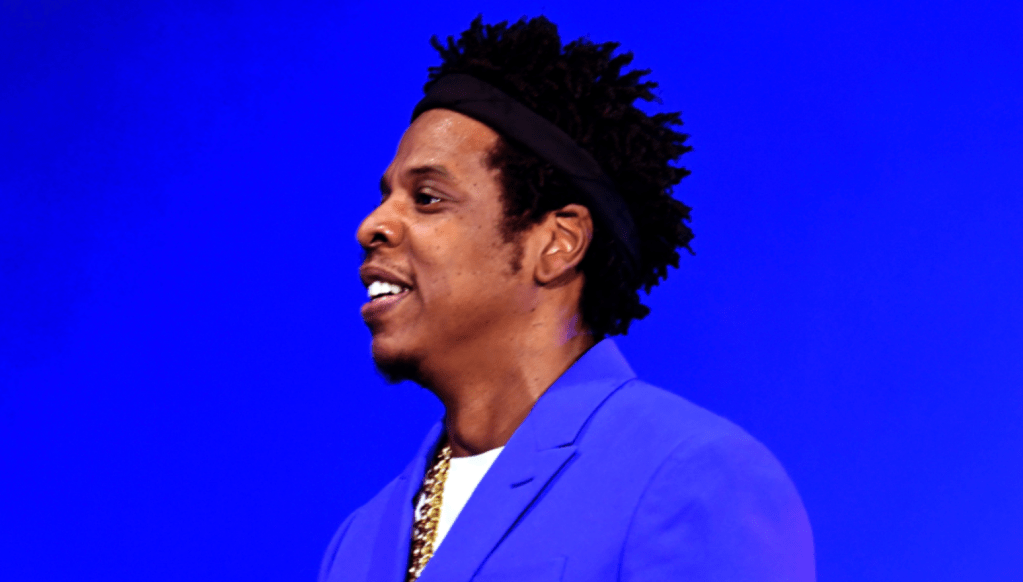
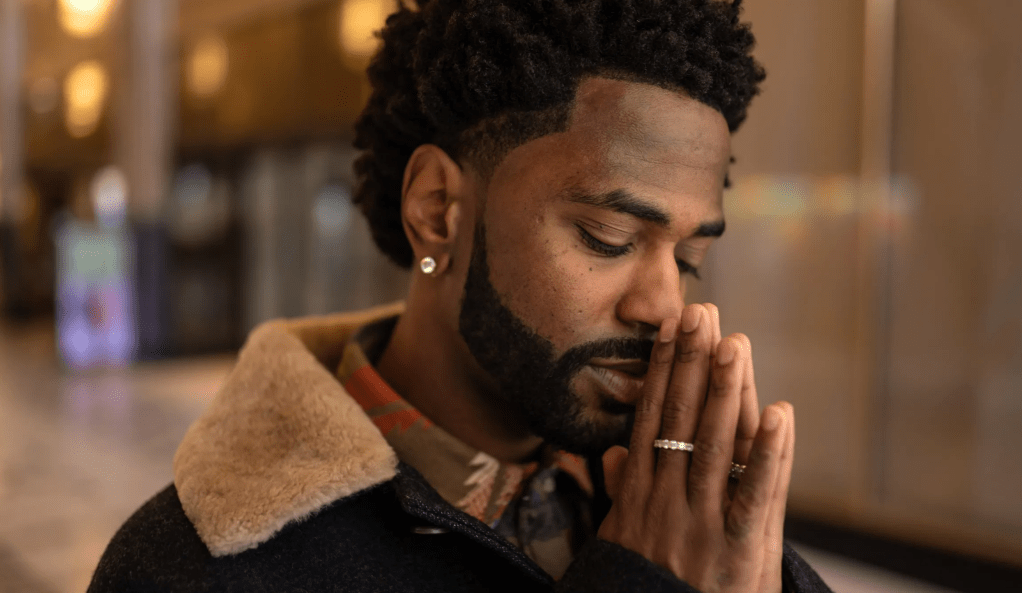

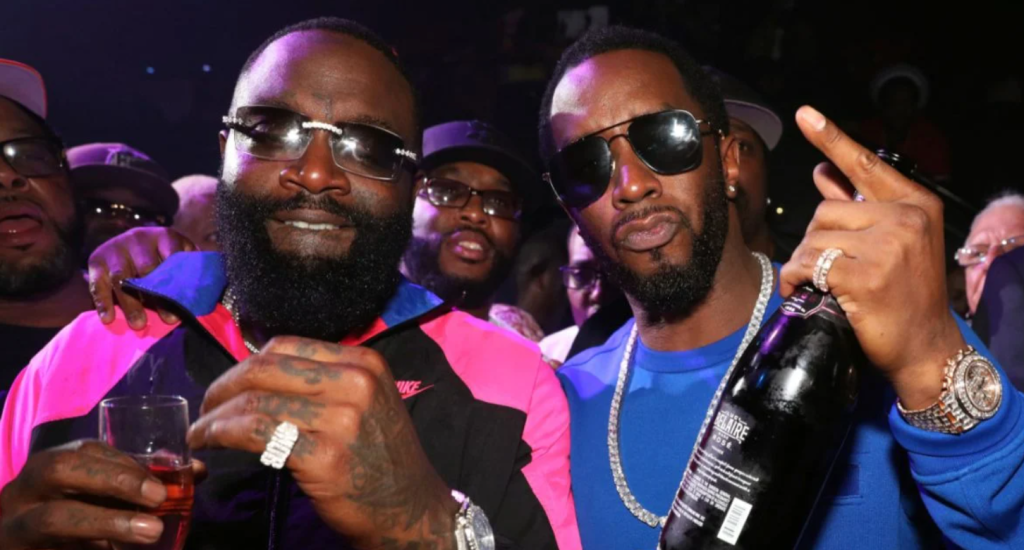
 G.O.A.T. VERSES
Leave a comment