
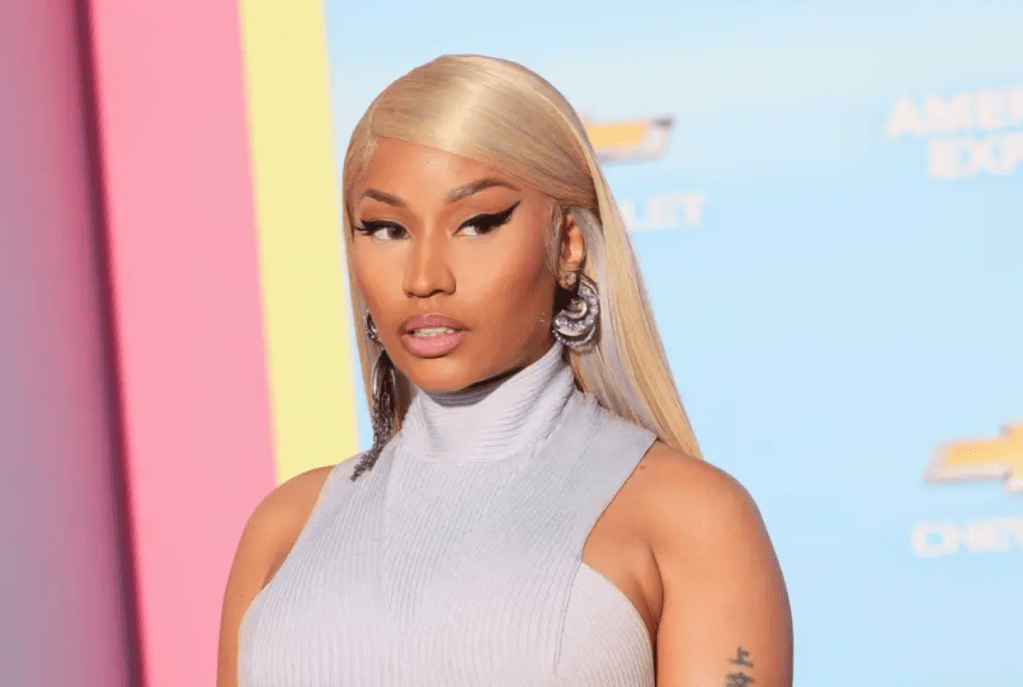
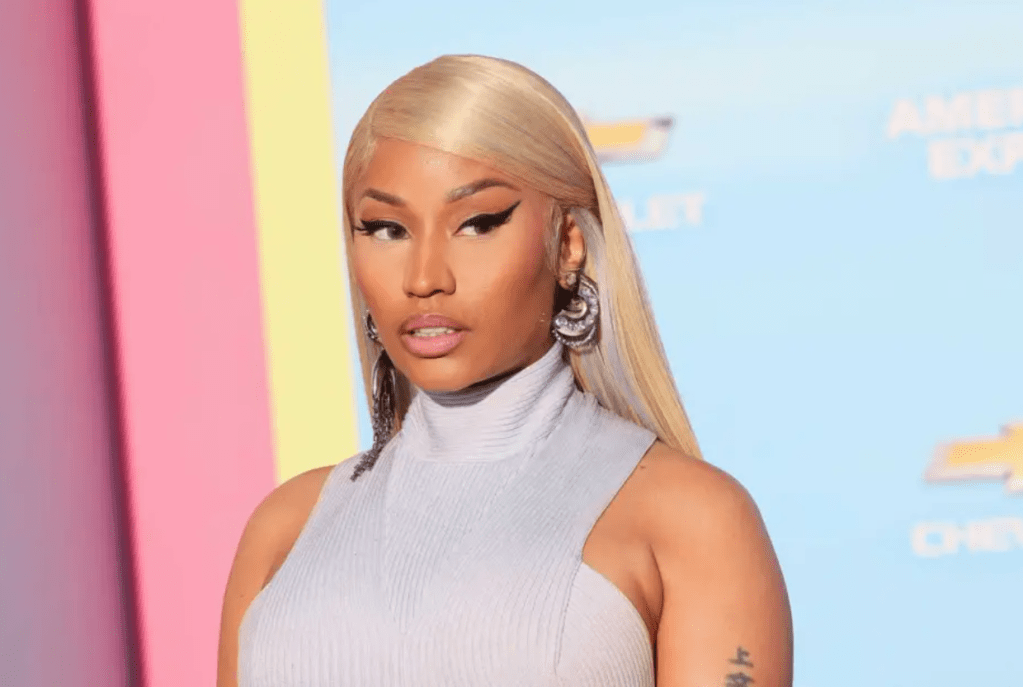
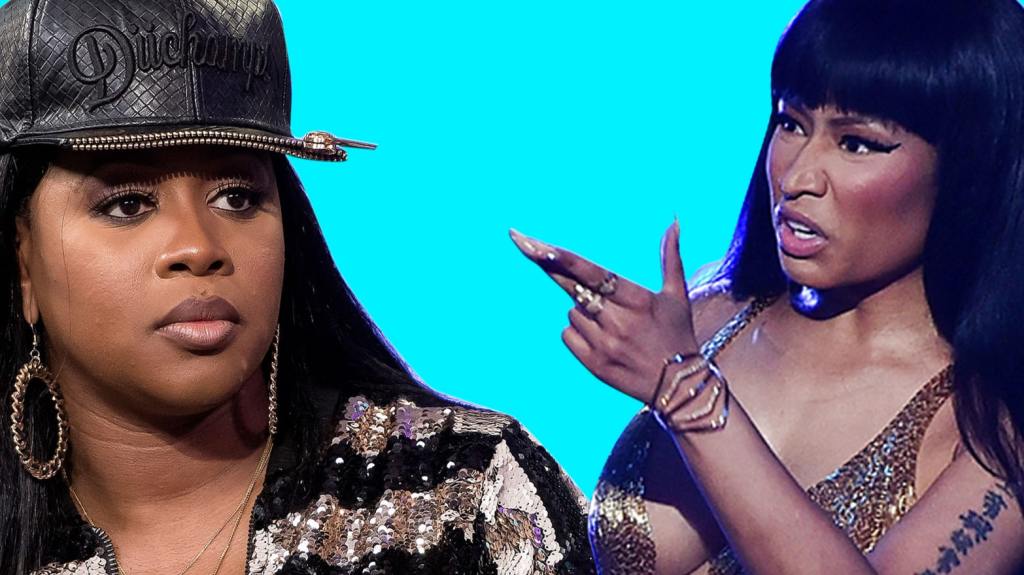
The world of hip-hop has long been a stage for fierce competition, lyrical battles, and rivalries, but one striking pattern is the persistent feuding among female rappers. From the mid-profile clashes between Trina and Khia to the recent spat between Megan The Stallion and Nicki Minaj, it seems that animosity among women in rap is a recurring theme. This phenomenon raises an important question: is it possible for female rappers to get along and collaborate harmoniously, similar to their male counterparts?
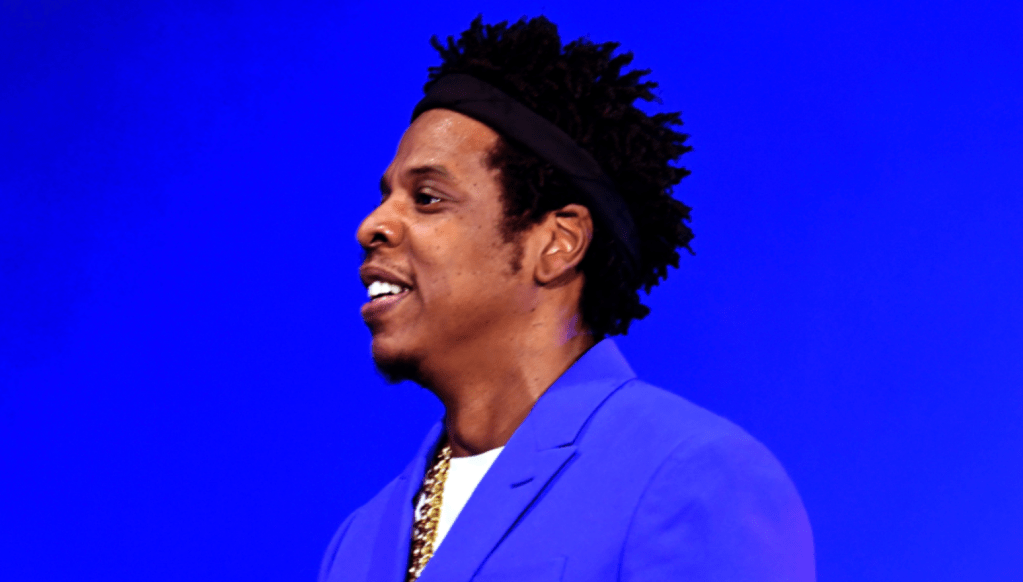
Historically, hip-hop has thrived on rivalry and competition. Male rappers often engage in lyrical battles and diss tracks, but many also form alliances and collaborate extensively, contributing to the genre’s dynamic nature. Icons like Jay-Z and Nas, despite their infamous feud, have shown that reconciliation and mutual respect are possible. Similarly, artists like Drake and Meek Mill frequently team up, creating hit after hit, regardless of any past tensions.
In contrast, the feuds among female rappers often appear more intense and enduring. The media’s portrayal of these conflicts can exacerbate the situation, amplifying minor disagreements into major public spectacles. The industry itself sometimes pits women against each other, perpetuating the notion that there is only room for one “queen” in the rap game. This manufactured scarcity creates a high-stakes environment where competition becomes inevitable.
However, the narrative that female rappers are perpetually at odds overshadows many instances of collaboration and camaraderie. Missy Elliott, a trailblazer in the industry, has consistently supported and collaborated with other female artists, from Lil’ Kim to Da Brat. Recent years have seen successful collaborations like Megan Thee Stallion and Cardi B’s “WAP,” which broke records and demonstrated the commercial and cultural power of female unity in hip-hop.
The question remains: can female rappers overcome the cycle of feuding and embrace a culture of collaboration? The answer lies partly in challenging the industry’s systemic issues and societal expectations. Female rappers, like their male counterparts, are multifaceted artists with unique perspectives and styles. Recognizing and celebrating this diversity rather than fostering competition could pave the way for more collaborations.

The potential for harmony among female rappers exists, but it requires a collective effort to shift the cultural narrative. By fostering an environment that values collaboration over competition and by highlighting stories of unity and mutual respect, the industry and its audiences can encourage female rappers to coexist and thrive together.
While feuds among female rappers may grab headlines, they are not the full story. The hip-hop community, media, and fans have the power to support and amplify collaborations among women in rap. By doing so, we can move towards a more inclusive and harmonious future where female rappers can coexist, collaborate, and continue to push the boundaries of the genre.

 G.O.A.T. VERSES
Leave a comment