
Editor’s note: This subscription tier post is available to everyone at no cost, giving you all a preview of what they are like. This site caters to devoted Hip Hop purists, and we appreciate your support. We will continue to make the majority of our content free. Thank you for being a part of our community.
In the ever-evolving landscape of hip hop, a perennial debate rages on: which holds more weight, the intricate wordplay of a lyrical maestro or the infectious hooks of a hit-making sensation? It’s a question that has divided fanbases, critics, and artists alike, sparking heated discussions in cyphers, social media threads, and music forums. But where does the true essence of hip hop lie? Does it reside in the intricate rhyme schemes and dense metaphors of a lyrical virtuoso, or is it found in the irresistible melodies and catchy hooks that have the power to dominate the charts?
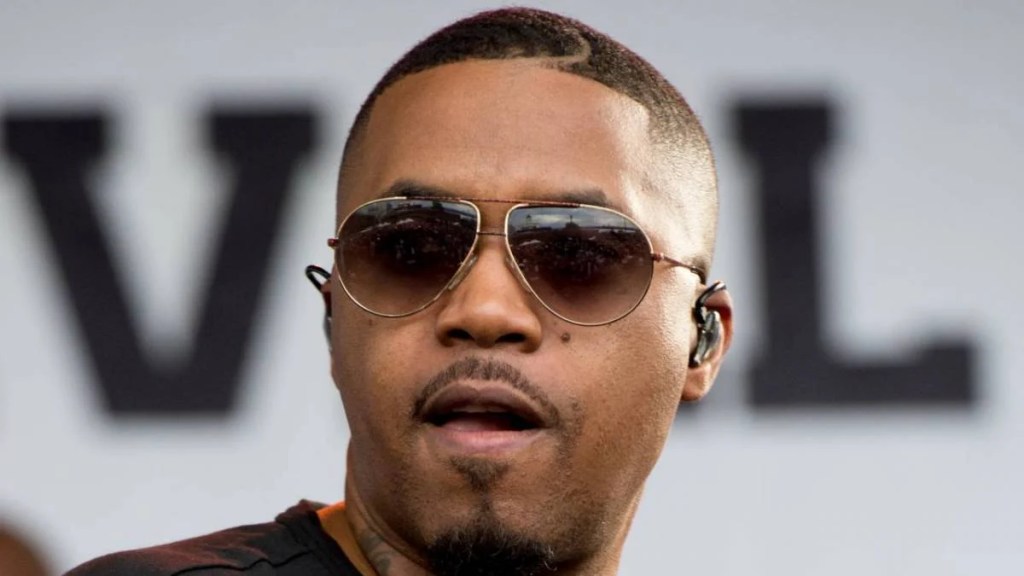
On one side of the spectrum, we have the staunch supporters of lyrical prowess. These fans value the craft of rhyming every word, weaving intricate narratives, and painting vivid pictures with language. For them, hip hop is synonymous with poetry set to beats, a platform for artists to showcase their linguistic dexterity and intellectual depth. They gravitate towards wordsmiths like Kendrick Lamar, Nas, and Eminem, whose verses are dissected like ancient scrolls, each line carrying layers of meaning waiting to be unearthed. To these fans, rhyming isn’t just a skill; it’s an art form, and the ability to effortlessly manipulate language is revered above all else.
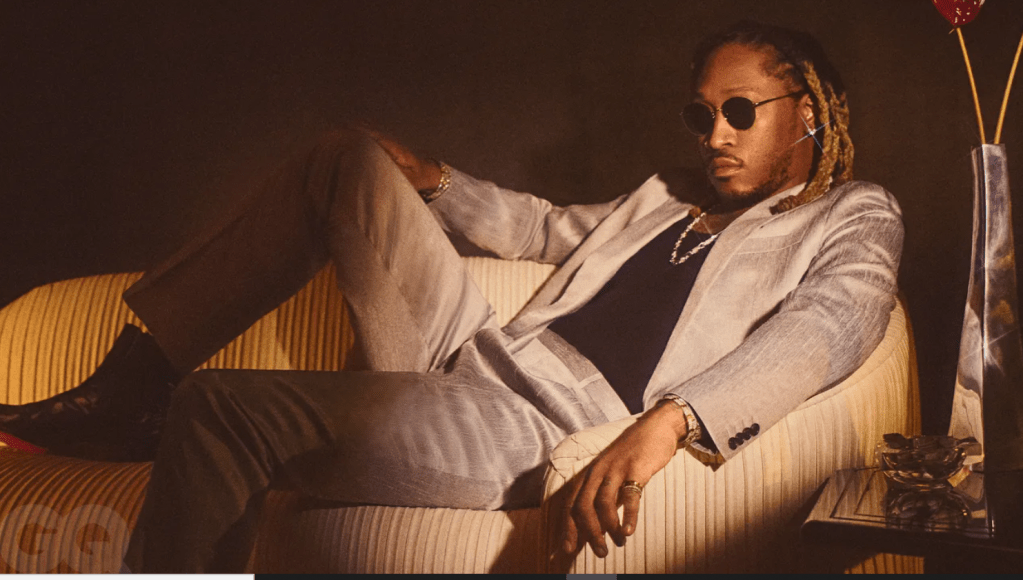
On the other end of the spectrum are the advocates of infectious hooks and catchy melodies. These fans prioritize vibe over verbosity, favoring songs that elicit immediate head nods and spontaneous sing-alongs. For them, hip hop is about creating anthems that resonate with a wide audience, transcending linguistic barriers and inviting listeners to lose themselves in the music. They flock to artists like Drake, Travis Scott, and Future, whose chart-topping hits dominate airwaves and playlists with their addictive hooks and memorable refrains. To these fans, simplicity isn’t a weakness; it’s a strength, and the ability to craft a hook that lodges itself in the listener’s brain is the mark of a true hitmaker.
But where does the balance lie? Is one approach inherently superior to the other, or do they represent two sides of the same coin? Can a rapper be both lyrically dense and commercially successful, or must they choose between artistic integrity and mainstream appeal?
In the quest for answers, we must consider the essence of hip hop itself. At its core, hip hop is a multifaceted genre that thrives on diversity and innovation. It is a reflection of the myriad experiences and perspectives that shape our world, and as such, it encompasses a wide spectrum of styles and approaches. From the socially conscious lyricism of artists like J. Cole to the infectious energy of trap anthems, hip hop is a genre that defies rigid categorization and celebrates individuality.
Moreover, the dichotomy between lyrical complexity and catchiness is not as clear-cut as it may seem. Some of the most iconic hip hop songs strike a delicate balance between the two, marrying intricate wordplay with irresistible hooks to create timeless classics. Take, for example, Jay-Z’s “99 Problems,” which combines razor-sharp lyricism with a catchy chorus that has become ingrained in the cultural zeitgeist. Similarly, Kanye West’s “Gold Digger” is renowned for its infectious beat and witty wordplay, demonstrating that a song can be both commercially successful and artistically ambitious.
Ultimately, the question of whether lyrical ability or catchy hooks are more important to hip hop is a matter of personal preference. For some, the ability to rhyme every word with surgical precision is the hallmark of a true lyricist, while others prioritize the ability to create anthems that resonate with a wide audience. But perhaps the true essence of hip hop lies not in choosing one over the other, but in embracing the diversity of styles and approaches that define the genre. Whether it’s a thought-provoking verse or an infectious hook, what matters most is the ability to move listeners and evoke emotion through the power of music. In the end, it’s not about rhyming every word or simplifying the flow; it’s about creating art that speaks to the soul and leaves a lasting impact on the culture.

 G.O.A.T. VERSES
Leave a comment