
The Financial Evolution of Hip-Hop
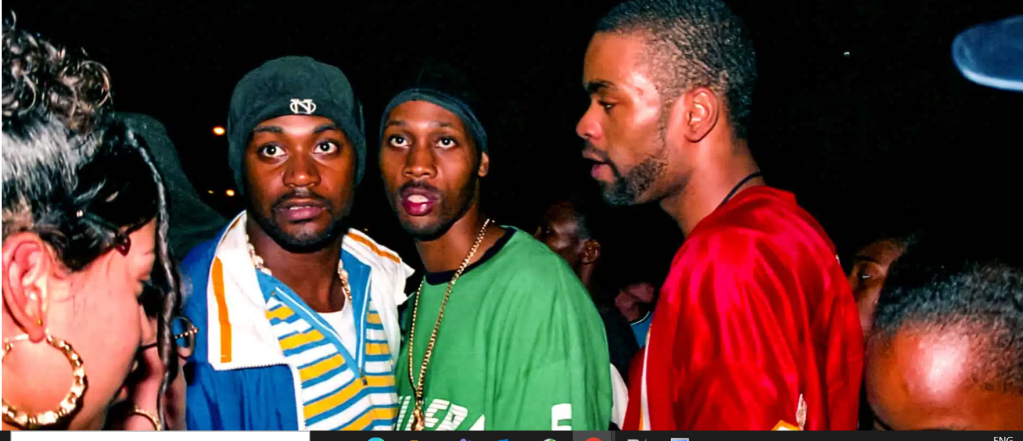
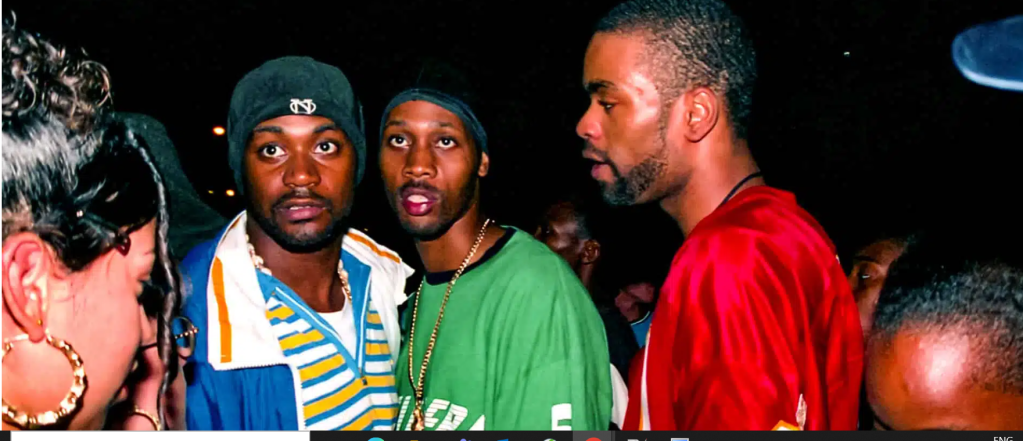
Hip-hop, a cultural movement that originated in the South Bronx in the late 1970s, has grown into a global phenomenon. Its roots are deeply intertwined with the struggles and aspirations of African American youth, who used music, dance, and art as forms of expression and resistance. The early pioneers of hip-hop—often referred to as the “founding fathers”—laid the groundwork for a genre that now generates billions of dollars annually. However, the financial realities faced by these trailblazers stand in stark contrast to the fortunes amassed by today’s rap superstars.
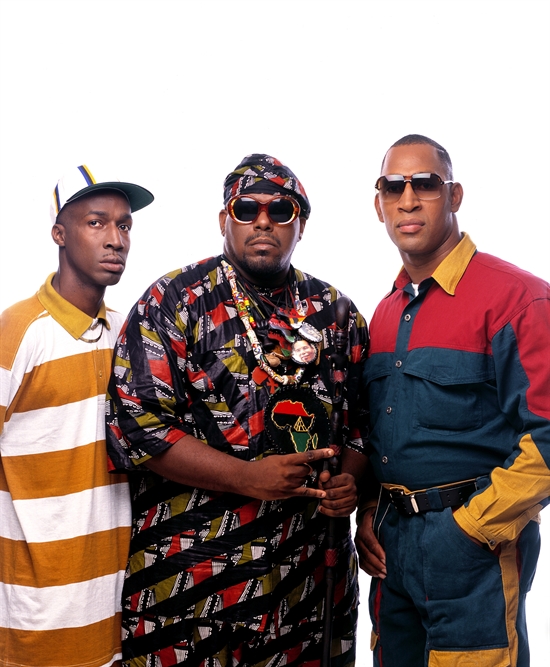
In the 1970s and 1980s, hip-hop was more than just music; it was a social movement born out of the socio-economic struggles of urban America. Icons such as DJ Kool Herc, Grandmaster Flash, and Afrika Bambaataa were instrumental in shaping the sound and culture of hip-hop. Despite their pivotal roles, many of these early artists received minimal financial compensation for their contributions.
Record deals were scarce, and those available were often exploitative. Many pioneers were paid in paltry sums or through one-off payments that didn’t reflect the ongoing revenue their music would eventually generate. Royalties, if they existed at all, were minuscule, and the lack of intellectual property rights further exacerbated their financial woes. This was an era where live performances and local fame were the primary sources of income, far removed from the lucrative endorsement deals, streaming revenues, and global tours that characterize the hip-hop industry today.
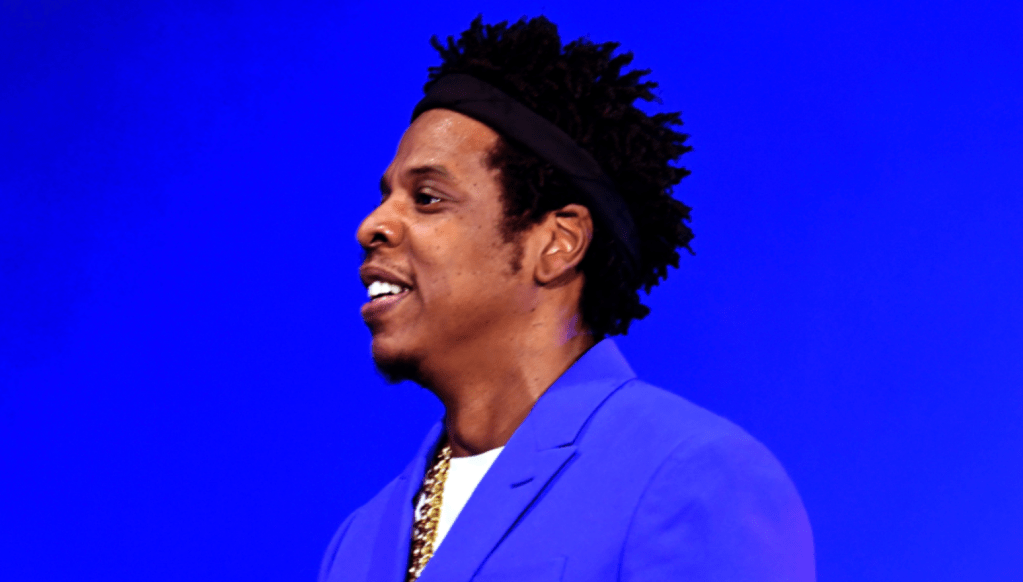
Fast forward to the 21st century, and the landscape of hip-hop has transformed dramatically. Rappers such as Jay-Z, Kanye West, and Drake have become global icons, amassing fortunes that rival those of tech moguls and film stars. Forbes regularly lists hip-hop artists among the world’s highest-paid celebrities, with annual earnings often reaching hundreds of millions of dollars.

This wealth comes from a diversified portfolio of income streams: music sales, streaming platforms, brand endorsements, fashion lines, and even venture capital investments. The modern hip-hop artist is not just a musician but a brand unto themselves, leveraging their influence across various sectors. The rise of social media and digital platforms has further democratized the industry, allowing artists to maintain greater control over their work and its financial rewards.
The stark contrast between the financial realities of hip-hop’s pioneers and today’s superstars raises an important question: should something be done to compensate those who paved the way? Several arguments can be made in favor of providing restitution or recognition to these early artists.
- Historical Injustice: Many of the founding fathers of hip-hop created their art in an era devoid of financial infrastructure to support their talents. They were victims of their time, unable to capitalize on their groundbreaking contributions.
- Cultural Legacy: The cultural significance of early hip-hop cannot be overstated. These pioneers shaped the genre and influenced countless artists who followed. Their work laid the foundation for the commercial success enjoyed by today’s rappers.
- Ethical Responsibility: The modern hip-hop industry, now a multi-billion-dollar enterprise, owes a debt of gratitude to its originators. Establishing funds or grants to support these pioneers could be seen as a moral obligation.
However, there are also arguments against retroactive compensation:
- Era-Specific Realities: Every artistic movement has its pioneers who did not benefit financially as much as their successors. The early rock ‘n’ roll and blues artists faced similar issues. Compensation for historical contributions is complex and unprecedented.
- Market Evolution: The financial success of modern rappers is due in part to changes in the music industry, technological advancements, and a globalized economy that did not exist during the early days of hip-hop.
- Personal Accountability: Some argue that individuals are responsible for their financial management and that it is not feasible to retroactively apply modern economic standards to past eras.
The disparity in financial rewards between hip-hop’s pioneers and today’s artists underscores the evolution of the music industry and the commercialization of culture. While there is no easy solution to this complex issue, it is essential to recognize and honor the contributions of early hip-hop artists. Whether through financial restitution, commemorative events, or educational initiatives, acknowledging their legacy is crucial.
As the hip-hop industry continues to thrive, it is worth contemplating how best to respect and support those who laid its foundations. Whether through direct compensation or other forms of recognition, ensuring that the pioneers of hip-hop are not forgotten is a step towards a more equitable acknowledgment of their invaluable contributions to music and culture.


 G.O.A.T. VERSES
Leave a comment