
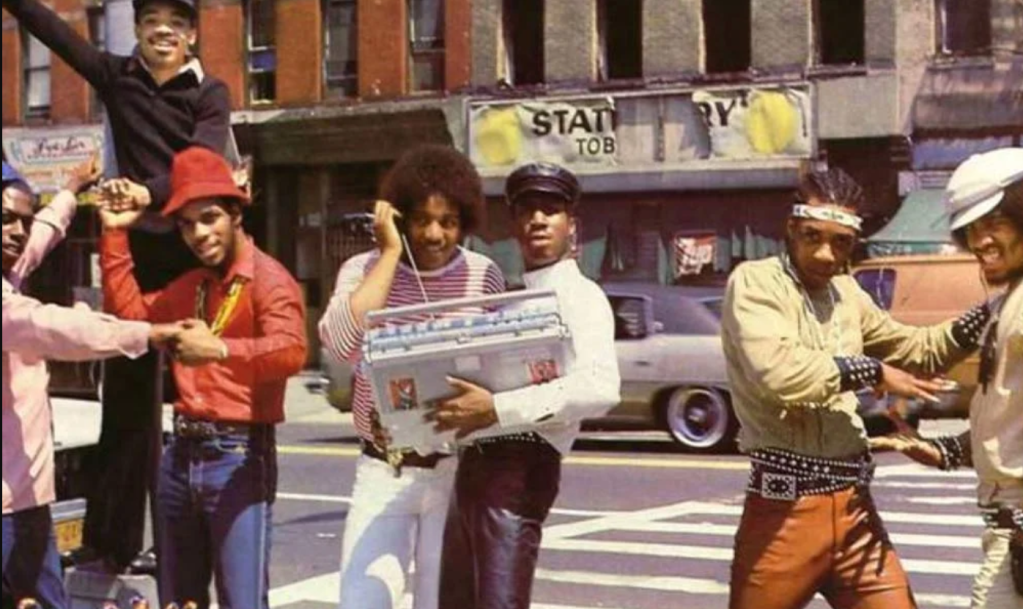
In the concrete jungle of the Bronx in the 1970s, a cultural revolution was brewing. Born out of the struggle, resilience, and creativity of marginalized communities, hip hop emerged as a powerful expression of urban life. What began as neighborhood block parties and DJ battles has since transformed into a global phenomenon, reshaping the music industry and influencing mainstream culture in profound ways. At the heart of this movement lies the art form of rap, a lyrical narrative that has become the voice of a generation. Let’s delve into the origins of hip hop and explore how rap evolved into a dominant force in the music industry.
Hip hop’s roots can be traced back to the South Bronx in the 1970s, a time marked by economic decline, social unrest, and widespread poverty. In this turbulent environment, young people sought refuge from their daily struggles through music, dance, and art. DJ Kool Herc, often hailed as the father of hip hop, played a pivotal role in its inception. In the summer of 1973, Herc began hosting legendary parties in the Bronx, where he showcased his turntable skills and introduced innovative techniques such as “breakbeat” DJing. These parties, held in parks and recreation centers, became the birthplace of hip hop culture, laying the foundation for what was to come.
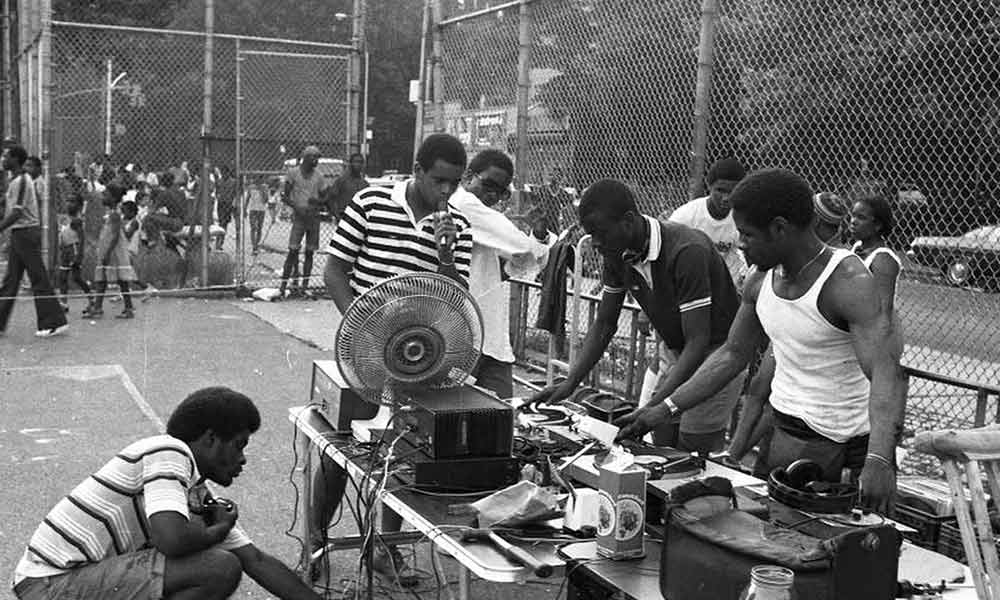
Hip hop culture is characterized by four main elements: DJing, MCing (rapping), graffiti art, and breakdancing. Each element represents a distinct aspect of urban life and creativity, contributing to the vibrant tapestry of hip hop culture. DJing, with its emphasis on rhythmic beats and scratching vinyl records, provided the soundtrack for the burgeoning movement. MCing, or rapping, emerged as a form of lyrical expression, with artists using rhymes and wordplay to convey their experiences and perspectives. Graffiti art served as a visual medium for self-expression, adorning subway trains and city walls with colorful murals and tags. Breakdancing, characterized by acrobatic moves and rhythmic footwork, added a dynamic element to hip hop’s aesthetic.
While hip hop encompasses various elements, it is rap that has emerged as its most prominent and commercially successful aspect. Rap originated as a form of street poetry, with artists delivering rhymes over beats provided by DJs. Early pioneers such as Grandmaster Flash, Afrika Bambaataa, and The Sugarhill Gang helped popularize rap music through hit singles like “The Message” and “Rapper’s Delight.” These songs addressed social issues, celebrated urban life, and showcased the lyrical prowess of MCs.

As rap gained momentum in the 1980s, it began to permeate mainstream culture, crossing over to audiences beyond its urban origins. Artists like Run-D.M.C., LL Cool J, and Public Enemy became household names, earning critical acclaim and commercial success. The emergence of MTV provided a platform for rap music videos, further exposing the genre to a global audience. By the late 1980s and early 1990s, rap had firmly established itself as a dominant force in the music industry, with acts like N.W.A., Tupac Shakur, and The Notorious B.I.G. pushing the boundaries of the genre and achieving widespread acclaim.
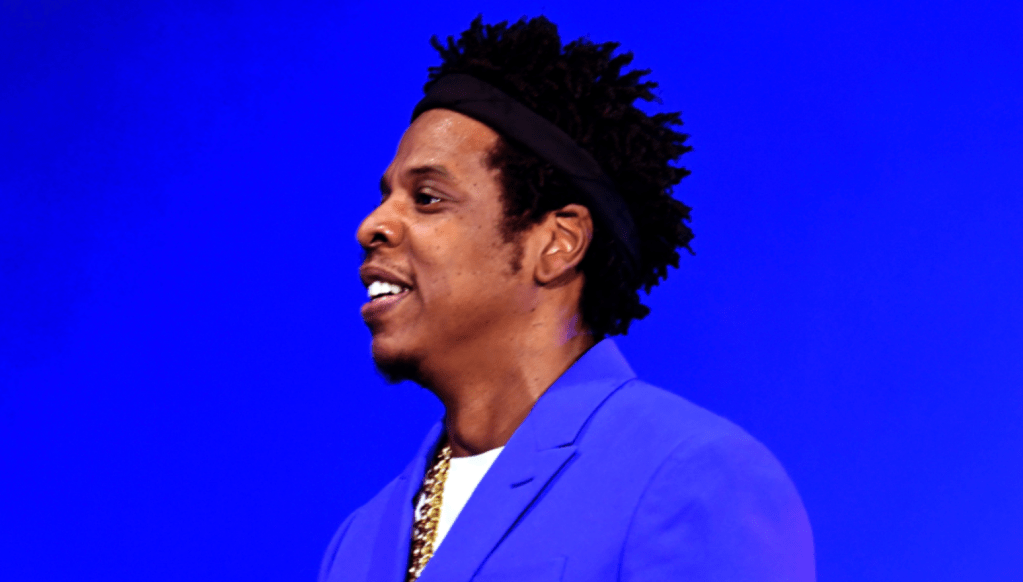
In the decades that followed, rap continued to evolve and diversify, embracing new styles, sounds, and subgenres. From the West Coast gangsta rap of Dr. Dre and Snoop Dogg to the East Coast lyricism of Nas and Jay-Z, hip hop’s influence spread far and wide, transcending geographic boundaries and cultural barriers. The rise of the internet and digital streaming platforms further democratized the music industry, allowing independent artists to reach audiences worldwide without the need for traditional record labels.
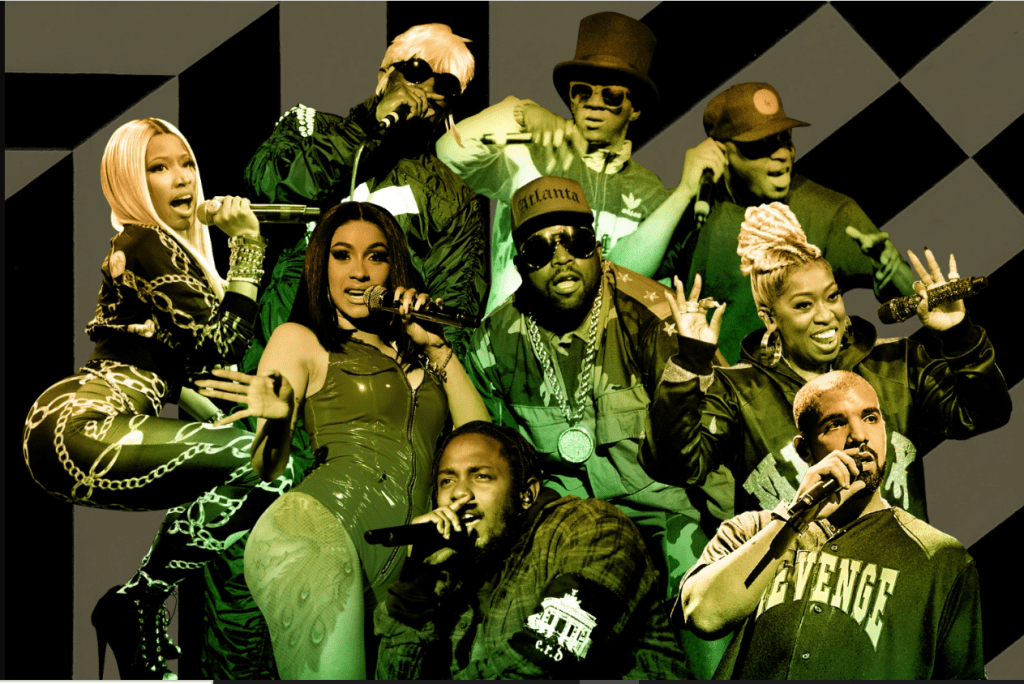
Today, rap music dominates the charts and shapes popular culture in unprecedented ways. Artists like Kendrick Lamar, Drake, and Cardi B have achieved superstar status, earning critical acclaim, commercial success, and cultural relevance. Hip hop’s influence extends beyond music, permeating fashion, film, television, and even politics. Its ability to reflect the realities of contemporary society and give voice to marginalized communities has made it a potent force for social change and cultural empowerment.
From its humble beginnings in the Bronx to its current status as a global phenomenon, hip hop and rap have come a long way. What started as a grassroots movement born out of urban struggle and creativity has evolved into a dominant force in the music industry and a powerful cultural phenomenon. As hip hop continues to evolve and innovate, its impact on society and popular culture will undoubtedly endure, ensuring its place as one of the most influential art forms of our time.

 G.O.A.T. VERSES
Leave a comment