
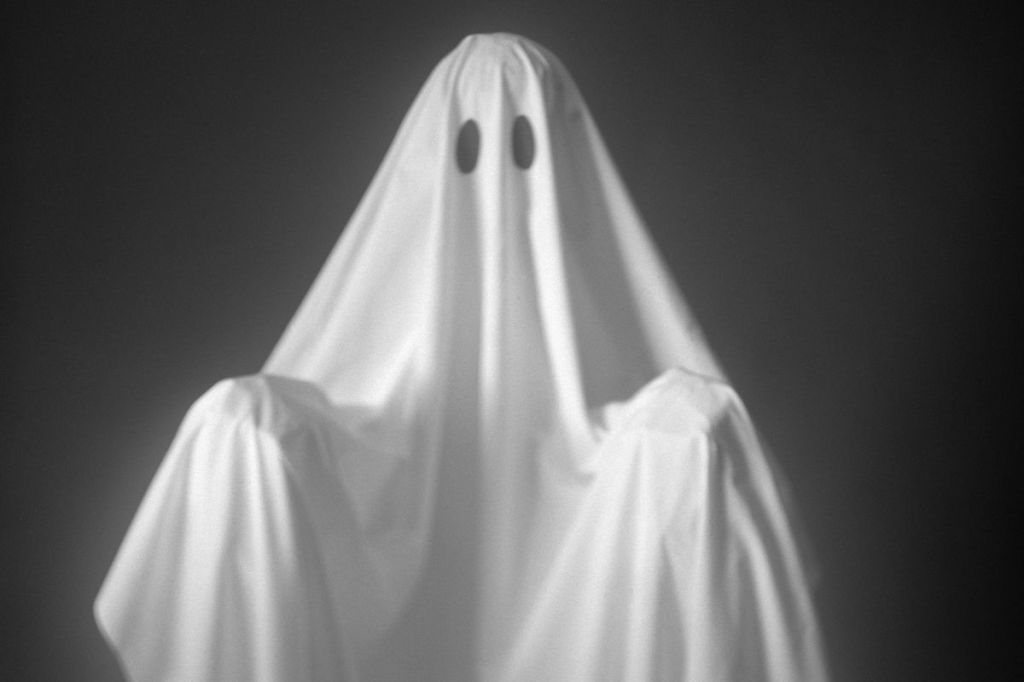
In the world of hip hop, authenticity reigns supreme. It’s a genre deeply rooted in personal expression, storytelling, and raw emotion. Yet, behind the glossy facade of fame and success, lies a contentious issue that often remains hidden from the limelight: ghostwriting.
Ghostwriting, the practice of one person writing music or lyrics to be performed by another, has been a staple in the music industry for decades. However, its prevalence in hip hop has sparked heated debates among fans, artists, and critics alike. The question looms large: should ghostwriting be accepted in an art form built on the principles of authenticity and personal experience?
At the heart of this debate lies the clash between artistic integrity and commercial success. In an industry where image is everything, artists are under immense pressure to maintain a certain persona and churn out hit after hit to stay relevant. This pressure often leads to collaborations with ghostwriters, who can help craft catchy hooks, clever verses, and radio-friendly melodies.
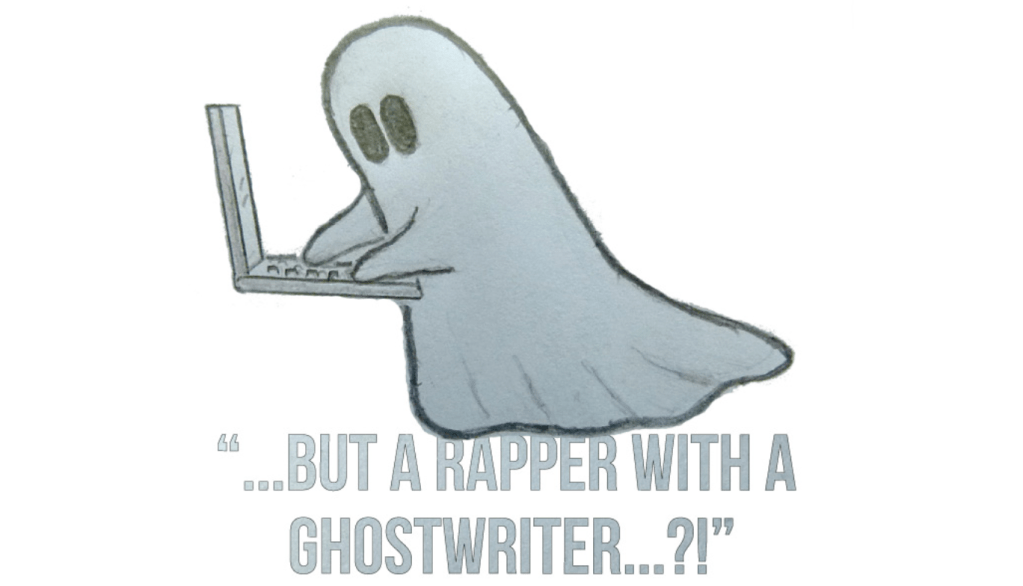
But while ghostwriting may bolster an artist’s commercial appeal, it raises serious ethical questions about artistic ownership and credibility. Hip hop has long been celebrated as a platform for marginalized voices to share their stories and struggles with the world. When an artist’s lyrics are not their own, it begs the question: whose story is being told?
Moreover, the prevalence of ghostwriting perpetuates the myth of the “self-made” artist—a narrative deeply ingrained in hip hop culture. Fans idolize artists who have overcome adversity and risen from the streets to achieve success on their own terms. Yet, the reality is often far more complex, with many artists relying on a team of collaborators behind the scenes.
But perhaps the most damaging aspect of ghostwriting in hip hop is the erosion of trust between artists and their fanbase. Hip hop has always been a deeply personal and introspective art form, with fans forming emotional connections to the music and the artists who create it. When those artists are revealed to be mere puppets, mouthing someone else’s words, it can feel like a betrayal of that trust.
Yet, despite the stigma surrounding ghostwriting, some argue that it’s time to rethink our attitudes towards the practice. After all, music is a collaborative process, and many of the greatest artists in history have relied on collaborators to bring their visions to life. Moreover, hip hop is an ever-evolving genre, constantly pushing the boundaries of creativity and experimentation. Who are we to dictate how an artist chooses to express themselves?
Ultimately, the debate over ghostwriting in hip hop is a complex and multifaceted one. While it may never be fully resolved, it forces us to confront our own biases and assumptions about authenticity, creativity, and success in the music industry. Perhaps, instead of condemning artists for working with ghostwriters, we should focus on celebrating the diversity of voices and perspectives that make hip hop such a vibrant and dynamic art form. After all, isn’t that what hip hop is all about?

 G.O.A.T. VERSES
Leave a comment